Why Are the Police Called the 12? The Hidden Code Behind Emergency Calls
The first time someone dials "12" for police assistance, they’re not just pressing numbers—they’re invoking a system older than most modern emergency services. The phrase "why are the police called the 12" echoes through dispatch rooms, police training manuals, and even urban legends, yet its origins remain shrouded in practicality rather than myth. What began as a telegraph-era shorthand has evolved into a global shorthand for urgency, a linguistic shortcut that bridges chaos and order. The term isn’t arbitrary; it’s a relic of efficiency, a nod to the telegraph’s numerical alphabet where "12" stood for "police," a code that outlasted the technology that birthed it.
Behind every emergency call lies a network of standardized signals, and "the 12" is one of the most enduring. It’s not just a colloquialism—it’s a vestige of how law enforcement once communicated across vast distances, where brevity meant survival. Today, the question "why are police called the 12" still surfaces in debates about police culture, dispatch protocols, and even pop culture references, from TV procedurals to real-life radio chatter. The answer lies at the intersection of history, technology, and the unspoken rules of public safety.
The persistence of this terminology reveals more than just a quirk of language. It’s a testament to how certain systems, once critical, become so ingrained that they transcend their original purpose. Whether you’re a dispatcher, a curious citizen, or someone who’s ever heard a cop joke about "the 12," the story behind it is richer than most realize.
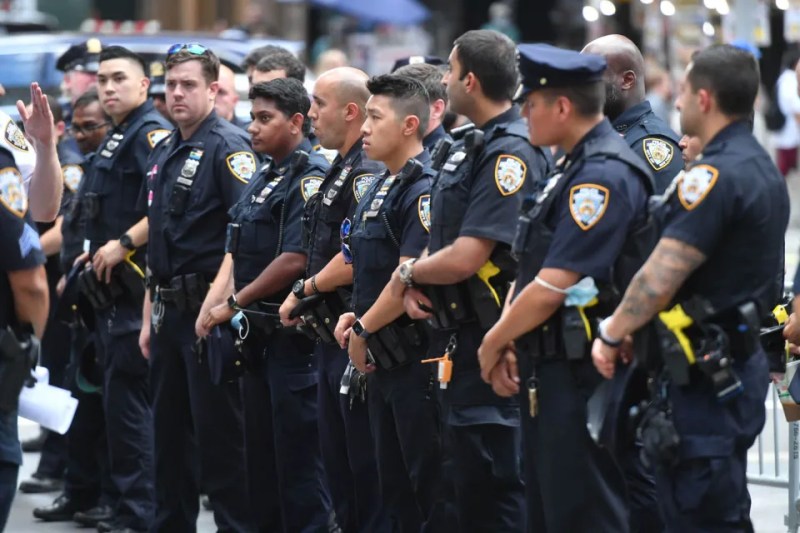
The Complete Overview of Why Police Are Called the 12
The term "why are the police called the 12" stems from a convergence of historical necessity and operational efficiency. In the late 19th and early 20th centuries, police departments relied on telegraph networks to relay urgent messages. Each agency was assigned a numerical code—"12" for police—derived from the Bakery Code, an early telegraphic shorthand where numbers corresponded to words (e.g., "1" for "money," "2" for "love," and so on). When a citizen reported a crime, dispatchers would transmit "12" to signal police involvement, a system that simplified communication in an era before direct radio contact. Over time, the code stuck, morphing from a functional tool into a cultural shorthand.Today, the phrase "why are police called the 12" persists in two forms: as an internal dispatch code and as slang within police subcultures. While modern 911 systems no longer use the Bakery Code, the term endures in radio traffic, training manuals, and even as a playful inside joke among officers. It’s a linguistic fossil, a reminder of how language adapts to survive. The question isn’t just about the number—it’s about the systems that shaped it and the people who keep it alive.
Historical Background and Evolution
The roots of "why are the police called the 12" trace back to the 1850s, when the Bakery Code (officially the "Phonetic Alphabet for Telegraphers") was developed to speed up message transmission. Each number represented a word or concept, with "12" assigned to "police." This system was revolutionary: instead of spelling out "police," operators could simply transmit "12," saving time and reducing errors. By the 1880s, police departments in the U.S. and Europe had adopted the code, embedding it into their daily operations. The telegraph’s decline in the 1950s didn’t erase the term—it simply shifted from wires to radios, where "12" became a standard call sign.The evolution of "why police are called the 12" also reflects broader changes in law enforcement. As police radios became widespread in the 1930s–1940s, the code transitioned from telegraphs to airwaves. Officers in patrol cars began using "12" to signal their presence or request backup, a practice that persists in some departments today. Even as technology advanced—with 911 systems and digital dispatch—the term retained its mystique, becoming a symbol of police tradition. The question "why are police called the 12" now carries layers of meaning: a nod to history, a marker of professional identity, and sometimes, a point of contention in discussions about police culture.
Core Mechanisms: How It Works
At its core, the term "why are police called the 12" refers to a dispatch protocol where "12" is shorthand for police activity. In many jurisdictions, officers will announce their status with phrases like "Officer 12-10" (meaning "on duty") or "Requesting backup, this is 12." This system isn’t universal—some departments use "10-codes" (e.g., "10-33" for emergency) or entirely digital identifiers—but the legacy of "12" remains. The mechanism is simple: it’s a shared language between dispatchers and officers, a way to convey critical information instantly.Table of Contents
- The Complete Overview of Why Police Are Called the 12
- Historical Background and Evolution
- Core Mechanisms: How It Works
- Key Benefits and Crucial Impact
- Major Advantages
- Comparative Analysis
- Future Trends and Innovations
- Conclusion
- Comprehensive FAQs
- Q: Is "the 12" still used in modern police dispatch?
- Q: Why was "12" chosen specifically for police?
- Q: Are there other numbers with special meanings in police radio?
- Q: Does "the 12" have different meanings in other countries?
- Q: Why do some cops joke about "the 12" being a "secret code"?
- Q: Could "the 12" make a comeback with new technologies?
- Q: Are there any famous pop culture references to "the 12"?
- Q: What happens if someone accidentally calls "the 12" instead of 911?
- Q: Is "the 12" used in military or other emergency services?
- Q: Why do some people think "the 12" is a conspiracy?
Beyond radio traffic, "why police are called the 12" also appears in training scenarios and even police humor. New recruits learn that "the 12" isn’t just a number—it’s a badge of belonging. The term’s endurance lies in its duality: it’s both a functional tool and a cultural artifact. While modern systems have streamlined communication, the phrase retains its power as a shorthand for authority, a relic of a time when every second counted.
Key Benefits and Crucial Impact
The persistence of "why are police called the 12" isn’t just nostalgia—it’s a reflection of how efficiency shapes language. In an era where seconds matter, the code reduced ambiguity in high-pressure situations. Dispatchers could transmit critical information faster, and officers could respond with precision. The term also fostered cohesion within police departments, creating a shared lexicon that transcended individual agencies. Even today, the question "why police are called the 12" highlights how certain phrases become institutionalized, outlasting the systems that created them.The impact extends beyond operations. The term has seeped into pop culture, appearing in TV shows like The Wire and Law & Order, where it’s used to signal police presence. It’s a cultural touchstone, a piece of lingo that connects generations of officers and civilians alike. For some, it’s a source of pride; for others, it’s a reminder of how deeply rooted certain traditions can be.
"A code is only as good as its ability to be understood instantly. '12' wasn’t just a number—it was a lifeline." — Retired Police Dispatcher, 1980s
Major Advantages
- Speed in Emergencies: The shorthand of "12" allowed dispatchers to relay police-related messages faster than spelling out words, a critical advantage in crises.
- Standardization Across Departments: Before digital systems, "12" provided a universal identifier, reducing confusion in multi-agency responses.
- Cultural Cohesion: The term became a shared reference point, reinforcing police identity and camaraderie.
- Adaptability: Though the Bakery Code faded, "12" evolved into radio shorthand, proving its resilience across technological shifts.
- Public Recognition: Civilians often recognize "the 12" from media, creating an intuitive link between the term and law enforcement.

Comparative Analysis
| Terminology | Usage Context |
|---|---|
| "Why are police called the 12?" | Internal dispatch, slang, historical references. Still used in some U.S. and European departments. |
| 10-Codes (e.g., "10-33") | Widespread in North America for specific alerts (e.g., "10-29" = check welfare of subject). |
| Digital IDs (e.g., "Unit 42") | Modern systems (e.g., CAD software) where officers are assigned alphanumeric identifiers. |
| Global Variations (e.g., "Police 12" in UK) | Some regions retain "12" for police, while others use letters (e.g., "P" for police in some European systems). |
Future Trends and Innovations
As technology advances, the question "why are police called the 12" may seem increasingly anachronistic. However, the principle behind it—efficient, standardized communication—remains vital. Modern AI-driven dispatch systems and real-time data integration could render traditional codes obsolete, but the need for quick, clear signals persists. Some departments are already phasing out 10-codes in favor of plain-language radio traffic, yet the legacy of "12" lingers as a symbol of how language adapts to necessity.The future may see "the 12" relegated to historical archives, but its influence on police culture is undeniable. Younger officers may never use it operationally, yet the term remains a cultural artifact, a reminder of how systems evolve while retaining echoes of their past. The question "why police are called the 12" will continue to fascinate those who study the intersection of language, technology, and authority.

Conclusion
The story of "why are the police called the 12" is more than a curiosity—it’s a microcosm of how human systems adapt to change. What began as a telegraphic shortcut became a badge of professionalism, a piece of slang, and a cultural reference. The term’s endurance speaks to its utility, its ability to bridge generations of officers and civilians. As emergency services evolve, the question remains: will "the 12" fade into obscurity, or will it persist as a testament to the power of efficiency in language?One thing is certain: the next time you hear "why police are called the 12," you’ll recognize it not just as a number, but as a piece of history—one that shaped how we call for help, how officers communicate, and how traditions outlive the systems that create them.
Comprehensive FAQs
Q: Is "the 12" still used in modern police dispatch?
A: In some departments, yes—but its use has declined. Many agencies now rely on 10-codes or digital identifiers (e.g., unit numbers). However, "12" remains in slang and historical references, especially in older training materials.
Q: Why was "12" chosen specifically for police?
A: The Bakery Code assigned "12" to "police" as part of its numerical alphabet. The choice wasn’t arbitrary—it was a practical way to encode messages quickly during the telegraph era.
Q: Are there other numbers with special meanings in police radio?
A: Absolutely. For example:
- "10-13" = weather/road conditions
- "10-29" = check welfare of subject
- "10-99" = officer needs help (emergency)
Q: Does "the 12" have different meanings in other countries?
A: Yes. In the UK, "Police 12" is sometimes used, while other European nations may use letters (e.g., "P" for police). The Bakery Code wasn’t universal, so variations exist based on local telegraph traditions.
Q: Why do some cops joke about "the 12" being a "secret code"?
A: The term’s mystique comes from its historical obscurity. Since it’s not widely known outside police circles, officers often treat it as an inside joke—a way to signal initiation into the profession.
Q: Could "the 12" make a comeback with new technologies?
A: Unlikely. While nostalgia plays a role, modern AI dispatch and digital radio prioritize clarity over tradition. However, the principle of shorthand communication remains—just in more advanced forms.
Q: Are there any famous pop culture references to "the 12"?
A: Yes. Shows like The Wire and Law & Order occasionally use "12" to signal police presence, reinforcing its cultural recognition. It’s also referenced in books and films about police history.
Q: What happens if someone accidentally calls "the 12" instead of 911?
A: Most dispatchers recognize the reference and will redirect the call to the correct emergency line. The term is ingrained enough that even non-officers may use it in high-stress situations.
Q: Is "the 12" used in military or other emergency services?
A: No. The term is police-specific, though similar numerical codes exist in military radio protocols (e.g., NATO phonetic alphabet). Emergency services like fire or ambulance use their own identifiers.
Q: Why do some people think "the 12" is a conspiracy?
A: Urban legends sometimes claim "12" has occult or secret meanings, but its origin is purely operational. The confusion arises from the term’s mysterious nature—it’s not widely explained to the public.
Leave a Comment
Comments are moderated before appearing. The data you submit is processed according to the Privacy Policy of kiwiirc.com.