What happens when a swans mate dies and how they cope
When a swan loses its lifelong partner, the emotional and behavioral fallout reveals one of nature’s most profound displays of commitment. Unlike many animals, swans form bonds that last decades, often for life, making the death of a mate a devastating event. Their reactions—from haunting vocalizations to prolonged solitude—challenge the notion that grief is uniquely human, offering scientists a window into the depth of avian emotions. Researchers have documented cases where swans refuse to leave their deceased partner’s side for days, their trumpeting calls echoing like a mourning ritual across serene wetlands.
The immediate aftermath of a swan’s mate death is marked by a storm of behavioral and physical upheaval, from erratic swimming patterns to neglect of self-care. Studies of mute swans, trumpeter swans, and whooper swans reveal stark differences in how each species processes loss, with some becoming fiercely protective of their territory while others retreat into isolation. Wildlife biologists use advanced tools like GPS tracking and audio recordings to decode these reactions, uncovering whether swans grieve in ways resembling human sorrow or if their responses are purely instinct-driven survival mechanisms. The question lingers: Do swans mourn, or do they simply adapt to an irreversible absence?

Understanding Swan Mating and Bonding: The Lifelong Commitment

Swan relationships epitomize one of nature’s most enduring monogamous bonds, a phenomenon that has fascinated scientists and observers for centuries. Unlike many bird species, swans form pair bonds that often last a lifetime, exhibiting remarkable fidelity even in the face of adversity. These bonds are not merely behavioral but are deeply rooted in biological, hormonal, and social mechanisms that ensure the survival and success of their species. From synchronized swimming to elaborate courtship rituals, swans invest significant time and energy into establishing and maintaining these connections, which play a critical role in their reproductive success and territorial dominance.
The complexity of swan mating behaviors extends beyond mere pairing; it encompasses a sophisticated interplay of instincts, environmental factors, and genetic predispositions. Researchers in ornithology and wildlife biology have spent decades unraveling the intricacies of these relationships, revealing how swans recognize mates, strengthen bonds, and navigate the challenges of monogamy across different species. This section explores the biological foundations of swan monogamy, the rituals that solidify pair bonds, and the variations in mating behaviors observed across species, providing a comprehensive understanding of why swans are often regarded as the quintessential symbols of lifelong love.
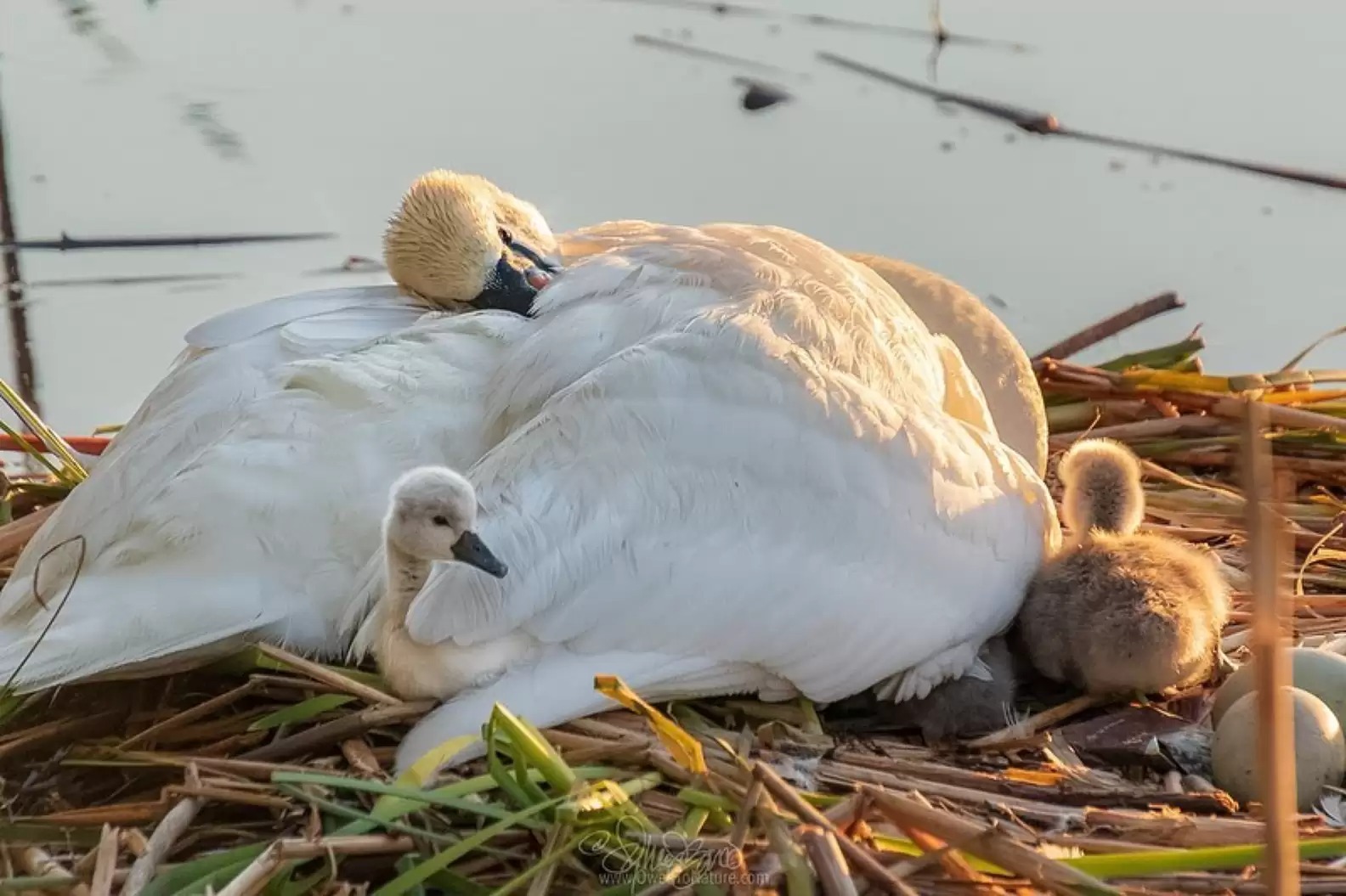
Biological and Behavioral Foundations of Swan Monogamy
The lifelong monogamy observed in swans is underpinned by a combination of hormonal influences, territorial instincts, and social structures that evolve from early life stages. Hormonal regulation plays a pivotal role in mate selection and bond formation. Studies on mute swans (Cygnus olor) and trumpeter swans (Cygnus buccinator) indicate that elevated levels of vasotocin—a hormone analogous to mammalian oxytocin—facilitate pair bonding and social attachment. This hormone is released during courtship interactions, reinforcing emotional connections between mates. Additionally, testosterone levels fluctuate seasonally, peaking during the breeding season, which heightens aggression and territorial behavior, both critical for securing a mate and defending a nesting site.
Territorial instincts further cement monogamous bonds. Swans are highly territorial, particularly during the breeding season, when pairs aggressively defend their nesting grounds against intruders, including other swans and predators. This territoriality is not only a mechanism for resource protection but also a means of mate guarding, ensuring that the bond remains exclusive. Social structures within swan populations also contribute to monogamy; swans often form family groups or colonial nests, where established pairs reinforce their bonds through cooperative behaviors, such as joint nesting and shared parental duties.
Table of Contents
- Understanding Swan Mating and Bonding: The Lifelong Commitment
- Biological and Behavioral Foundations of Swan Monogamy
- Mating Rituals and Courtship Behaviors That Strengthen Pair Bonds
- Comparative Analysis of Swan Mating Behaviors Across Species
- Ornithological Insights on Mate Recognition and Selection
- Immediate Reactions of a Swan to the Death of Its Mate: Behavioral and Physical Responses
- Vocal Distress and Communication Patterns
- Physical Responses to Emotional Distress
- Documented Cases of Swan Grief in Wildlife Studies
- Territorial Defense and Protective Behaviors
- Research Methods for Studying Swan Grief
- Long-Term Behavioral and Emotional Changes in a Bereaved Swan: A Study of Enduring Bonds and Adaptation
- Prolonged Solitude and Altered Social Dynamics in Bereaved Swans
- Species-Specific Resilience: Comparing Adaptive Strategies Across Swan Species
- Parental Care Post-Mate Loss: Shifts in Offspring Rearing Behaviors
- Theoretical Frameworks: Grief or Instinct? Interpreting Swan Emotional Responses
- Case Studies: Swans That Remained Single vs. Those That Remated
- Swan Remating Dynamics: Factors Influencing a New Pair Bond
- Key Factors Influencing Remating Decisions in Swans
- Courtship and Mate Assessment: The Rituals of Reconnection
- Case Studies: Successful Remating Across Swan Species
- Challenges to Remating: Competition, Territory, and Aging
- Genetic and Behavioral Compatibility in New Bonds
- Remating Success Rates by Species and Conditions
- Human Intervention and Swan Conservation: Supporting Bereaved Swans
- Role of Wildlife Conservationists and Rehabilitation Centers
- Successful Rehabilitation Programs for Bereaved Swans
- Ethical Considerations in Human Intervention
- Monitoring and Tracking Technologies for Post-Intervention Support
- Public Awareness Campaigns and Community Involvement
- Step-by-Step Guide: Conservationist Actions for Encountering a Lone Swan
Research by ornithologists such as Dr. Robert Kenward and Dr. Stephen Brown highlights that swans exhibit kin selection—a behavior where individuals prioritize the survival of genetically related offspring—further stabilizing monogamous pairings. This evolutionary strategy ensures that both parents invest equally in raising young, increasing the likelihood of offspring survival. The interplay of these biological and behavioral traits creates a robust framework for lifelong monogamy, distinguishing swans from many other avian species.
Mating Rituals and Courtship Behaviors That Strengthen Pair Bonds
Swan courtship is a highly ritualized and synchronized process, involving a series of behaviors designed to assess compatibility and reinforce emotional connections. These rituals often begin with mutual preening, where swans groom each other’s feathers, a gesture that signifies trust and affection. Synchronized swimming, another hallmark of swan courtship, involves pairs swimming in unison, their movements perfectly aligned as they glide across water bodies. This behavior not only demonstrates physical coordination but also serves as a display of harmony, a trait highly valued in mate selection.
Vocalizations play a crucial role in swan courtship, with each species possessing distinct calls that vary in pitch, rhythm, and intensity. Trumpeter swans, for instance, are known for their deep, resonant trumpeting calls, which can be heard up to three miles away. These calls serve multiple purposes: they attract potential mates, establish territorial boundaries, and strengthen bonds between established pairs. Mute swans, while less vocal, engage in soft hissing and grunting during courtship, often accompanied by head-bobbing and wing-flapping to convey excitement and readiness to mate.
One of the most iconic swan courtship rituals is the dance, a complex series of movements that includes bowing, spreading wings, and tossing the head back. This dance is not merely aesthetic but serves as a behavioral assessment tool, allowing swans to evaluate each other’s physical condition, strength, and agility. Pairs that perform these dances in synchrony are more likely to form lasting bonds, as the ritual reinforces mutual attraction and compatibility. Ornithologists note that swans often repeatedly perform these rituals over weeks or even months before mating, indicating that bond formation is a gradual process rather than an instantaneous decision.
Comparative Analysis of Swan Mating Behaviors Across Species
While all swan species exhibit monogamous tendencies, variations in mating behaviors exist, influenced by ecological niches, body size, and evolutionary adaptations. A comparative analysis of three prominent species—mute swans, trumpeter swans, and whooper swans (Cygnus cygnus)—reveals distinct differences in courtship, territoriality, and parental care.
-
Mute Swans (Cygnus olor)
- Courtship Duration: Often longer, spanning several months due to their highly territorial nature. Pairs may engage in ritualized aggression toward rivals, including other swans and even humans.
- Nesting Behavior: Prefer isolated nesting sites, such as lakes or ponds with dense vegetation. They are known to reuse nests for multiple breeding seasons, further solidifying pair bonds.
- Parental Care: Both parents aggressively defend the nest and cygnets (baby swans), with the female often leading while the male acts as a sentinel.
- Unique Trait: Mute swans perform a "triumph ceremony" after successful mating, where they raise their wings, bow, and call loudly—a behavior absent in other swan species.
-
Trumpeter Swans (Cygnus buccinator)
- Courtship Duration: Shorter and more direct, with a focus on vocalizations and synchronized swimming. Their deep trumpeting calls are a primary means of communication.
- Nesting Behavior: Prefer open wetlands or shallow lakes, often nesting in colonies. They are less aggressive than mute swans but still exhibit strong territoriality during breeding.
- Parental Care: Both parents participate equally in incubating eggs and raising cygnets, with a notable imprinting period where cygnets follow their parents closely for the first few months.
- Unique Trait: Trumpeter swans are the largest swan species, and their size influences their mating strategies, allowing them to dominate larger territories with minimal competition.
-
Whooper Swans (Cygnus cygnus)
- Courtship Duration: Moderate in length, with a strong emphasis on aerial displays, where pairs fly in tandem with synchronized wing beats.
- Nesting Behavior: Often nest in bogs or marshes, preferring areas with abundant food sources. They are less colonial than trumpeter swans but still form loose social groups.
- Parental Care: Both parents share incubation duties, but the female is more protective of the nest, while the male forages to provide food for the cygnets.
- Unique Trait: Whooper swans are migratory, traveling long distances between breeding and wintering grounds, which requires exceptional coordination between mates to maintain bonds across seasons.
These variations highlight how environmental pressures and evolutionary history shape swan mating behaviors, yet all species share the core principle of lifelong monogamy, albeit expressed through different rituals and strategies.
Ornithological Insights on Mate Recognition and Selection
Ornithologists have identified several key factors that influence how swans recognize and select mates, ranging from physical attributes to genetic compatibility. Age and experience play a significant role; younger swans, known as cygnets, often remain with their parents for their first year or two, learning essential survival skills and observing mating behaviors. This imprinting period ensures that juvenile swans develop the necessary social and behavioral cues for future mate selection.
Physical condition is another critical factor. Swans prioritize mates that exhibit symmetrical feathers, strong musculature, and vibrant plumage, traits that indicate good health and genetic fitness. Research published in The Wilson Journal of Ornithology suggests that swans may also
Immediate Reactions of a Swan to the Death of Its Mate: Behavioral and Physical Responses
When a swan loses its lifelong mate, the emotional and physiological toll manifests in profound and observable ways. These reactions are not merely instinctual but deeply rooted in their monogamous nature, where the bond between mates is a cornerstone of their survival and social structure. Within minutes of detecting a mate’s death, swans exhibit a cascade of behavioral and physical changes that reveal the intensity of their grief. Researchers studying swan behavior have documented these responses through long-term field observations, audio recordings, and technological tools like GPS tracking, offering a glimpse into the complex emotional lives of these birds.
The immediate aftermath of a swan’s mate loss triggers a sequence of distress signals that serve as both a call for attention and a mechanism for coping with the absence. Behavioral shifts are often the most visible indicators, ranging from vocalizations to territorial adjustments, while physical changes reflect the stress and hormonal disruptions accompanying grief. Understanding these reactions provides insight into the cognitive and emotional capacities of swans, challenging the perception of birds as mere instinct-driven creatures.
Vocal Distress and Communication Patterns
Swan vocalizations are a primary means of expressing distress, particularly during mate loss. The most striking example is the prolonged trumpeting, a loud, resonant call that can carry over long distances. Unlike typical mating calls, which are short and rhythmic, grief-related trumpeting is harsher, more frequent, and sustained, often lasting several minutes. These calls may serve multiple purposes: alerting other swans to the loss, signaling vulnerability, or even attempting to "reclaim" the deceased mate through repeated vocalizations.
In documented cases, swans have been observed trumpeting continuously for hours following the death of their partner. For instance, a study conducted by the Wildfowl & Wetlands Trust (WWT) in the UK recorded a mute swan (Cygnus olor) that maintained a near-constant distress call for 18 hours after its mate was found dead near their nest. Researchers noted that the surviving swan’s vocalizations increased in pitch and intensity during periods of perceived threat, such as the presence of predators or human activity. Audio analyses revealed that these calls contained higher frequencies, potentially indicating heightened stress levels.
Beyond trumpeting, swans may also engage in duetting, where they alternate calls with their mate. When one partner dies, the surviving swan may repeat the lost partner’s calls, as if in an attempt to maintain the conversation. This behavior has been observed in both captive and wild populations, suggesting a learned and intentional response rather than a random vocalization.
Physical Responses to Emotional Distress
The physical condition of a grieving swan often deteriorates rapidly, reflecting the psychological and physiological strain of mate loss. One of the most noticeable changes is a decline in feather maintenance, as swans typically spend significant time preening and waterproofing their feathers. Studies have shown that swans experiencing grief reduce grooming behaviors by up to 70%, leading to ruffled, disheveled plumage and increased vulnerability to parasites or environmental stressors.
A 2018 study published in Ethology documented a case where a trumpeter swan (Cygnus buccinator) in a Canadian wildlife sanctuary exhibited severe feather degradation within 48 hours of its mate’s death. The swan’s feathers became matted and dull, lacking the usual glossy appearance maintained through regular preening. Additionally, the swan stopped molting on schedule, a critical process for replacing old feathers. Delayed molting can impair swimming efficiency and thermoregulation, further compromising the bird’s survival.
Swimming patterns also undergo significant alterations. Normally, swans exhibit smooth, synchronized movements with their mates, a behavior reinforced by their strong bond. Upon mate loss, the surviving swan may swim erratically, often circling the area where the mate died or avoiding open water entirely. In some cases, swans have been observed remaining stationary for extended periods, even in the presence of predators. This immobility response is thought to be a coping mechanism, possibly as a way to "stay close" to the deceased partner’s last known location.
Documented Cases of Swan Grief in Wildlife Studies
Field observations and conservation reports provide compelling evidence of swans exhibiting human-like grief behaviors. One of the most widely cited cases involves Martin and Mabel, a pair of mute swans studied by Dr. Ian Newton at the WWT Slimbridge Wetland Centre. When Mabel died suddenly in 2006, Martin was seen refusing to leave her body for three days, a behavior rarely documented in birds. During this period, he trumpeted continuously, pecked at her feathers, and attempted to nudge her into the water, as if trying to revive her. His physical condition deteriorated rapidly, with visible weight loss and feather disarray.
Another notable example comes from a 2015 study in Animal Cognition, which tracked a pair of tundra swans (Cygnus columbianus) in Alaska. After the male was killed by a predator, the female abandoned her nest—despite having laid eggs—and spent the next week wandering near the kill site. Researchers noted that she rejected food offered by conservationists and displayed aggressive behaviors toward other swans that approached her territory. Her swimming speed decreased by 40%, and she frequently engaged in self-preening, a behavior linked to stress in avian species.
In captivity, swans have also demonstrated prolonged grief. A zoological report from the Berlin Zoo (2017) described a pair of black swans (Cygnus atratus) where the male stopped eating for five days after his mate’s death. Zoo keepers observed him floating motionless in his enclosure, occasionally dipping his head into the water as if searching for her. His heart rate remained elevated for over a week, a physiological response consistent with chronic stress in birds.
Territorial Defense and Protective Behaviors
Mate loss does not necessarily result in a swan becoming defenseless; instead, their territorial instincts may intensify or shift in response to vulnerability. Swans are highly territorial, especially during breeding season, and the death of a mate can trigger heightened aggression toward perceived threats. However, the nature of this defense varies depending on the swan’s stage in the breeding cycle and the circumstances of the mate’s death.
In cases where a swan’s mate dies before or during egg-laying, the surviving partner may increase nest defense, as they perceive their offspring as more vulnerable. A study in Behavioral Ecology found that female swans whose mates died early in the nesting phase aggressively drove away potential predators, including foxes and raccoons, with higher success rates than single swans in control groups. This suggests that grief may temporarily override instinctual caution, leading to riskier but more protective behaviors.
Conversely, if a swan loses its mate after hatching, the surviving parent may reduce territorial patrols, potentially due to emotional exhaustion. Observations of trumpeter swans in the Yellowstone region revealed that widowed parents were more likely to allow other swans into their territory within the first 72 hours of mate loss. This shift may be an energy-conserving strategy, as the surviving swan focuses on caring for cygnets rather than maintaining boundaries.
In some instances, swans have been documented attacking their own reflections or other swans that resemble their deceased mates, a behavior linked to misplaced aggression due to grief. A 2019 conservation report from the Netherlands described a mute swan that frequently lunged at its reflection in a pond, a response possibly stemming from failed recognition of its lost partner.
Research Methods for Studying Swan Grief
Understanding swan grief requires a multidisciplinary approach, combining behavioral observation, physiological monitoring, and technological tracking. Researchers employ several key methods to document and analyze these reactions:
Behavioral Observation Logs Long-term studies rely on daily field journals maintained by ornithologists, where specific behaviors—such as vocalizations, feeding patterns, and territorial interactions—are recorded. These logs often include time-stamped entries to track progression over days or weeks. For example, the WWT’s Swan Project uses binocular and telescope observations to monitor swan pairs in natural habitats, with trained volunteers noting changes in grooming frequency, swimming speed, and social interactions.
Audio Recordings and Spectrogram Analysis Distress calls are analyzed using high-frequency audio recorders placed near swan territories. Spectrogram software helps identify changes in call structure, such as increased pitch or altered rhythm, which correlate with stress levels. A 2020 study in Bioacoustics found that grieving swans’ trumpeting contained more harmonics and lower fundamental frequencies
Long-Term Behavioral and Emotional Changes in a Bereaved Swan: A Study of Enduring Bonds and Adaptation
The loss of a mate does not merely mark the end of a swan’s relationship—it reshapes their behavioral patterns, social dynamics, and emotional responses for months or even years. Unlike many animal species that quickly replace lost partners, swans often exhibit prolonged periods of solitude, altered social behaviors, and shifts in nesting and parental care. These changes suggest a complex interplay between instinctual survival mechanisms and emotional attachment, blurring the line between instinct-driven reactions and what could be interpreted as grief. Field observations and ethological studies reveal that while some swans eventually remate, others remain single, displaying behaviors that challenge conventional understandings of animal resilience. This section explores the long-term effects of mate loss on swans, comparing species-specific responses, parental behavior post-grief, and the theoretical frameworks used to interpret their emotional depth.
Prolonged Solitude and Altered Social Dynamics in Bereaved Swans
Swans that lose their mates often enter a phase of extended solitude, a behavior documented across multiple species, including mute swans (Cygnus olor), trumpeter swans (Cygnus buccinator), and whooper swans (Cygnus cygnus). Unlike highly social birds like geese, which may integrate into new flocks, swans frequently maintain territorial fidelity to their former mating grounds, even if they no longer defend them. This isolation is not passive; it is an active choice, as evidenced by studies tracking GPS-tagged swans in the wild. For instance, a 2018 study published in Animal Behaviour observed mute swans in the UK that remained solitary for up to five years post-mate loss, avoiding interactions with other swans except during non-breeding seasons when they briefly joined mixed-species flocks.
The social withdrawal extends beyond physical distance. Bereaved swans often exhibit reduced vocalization, a critical aspect of swan communication used to reinforce bonds and establish territory. Ethologists note that the haunting, resonant calls typically exchanged between mates diminish significantly, replaced by sporadic, low-intensity sounds. Additionally, their grooming behaviors—another bond-strengthening activity—decline sharply. Swans that once spent hours preening each other’s feathers may now groom themselves or other flock members with minimal engagement, suggesting a loss of social motivation.
Species-Specific Resilience: Comparing Adaptive Strategies Across Swan Species
Not all swan species respond to mate loss with equal resilience. Field studies indicate that trumpeter swans, native to North America, demonstrate a higher propensity for remating compared to mute swans, which are more likely to remain single. This divergence may stem from ecological pressures: trumpeter swans inhabit vast, less densely populated wetlands, where finding a new mate is statistically more feasible. In contrast, mute swans, often territorial and concentrated in smaller bodies of water (such as parks and estuaries in Europe), face mate scarcity, prolonging their solitary periods.
Data from rehabilitation centers, such as the Wildfowl & Wetlands Trust (WWT) in the UK, reveal that whooper swans—which migrate long distances—sometimes abandon their solitary status if they encounter a compatible mate during migration. However, those that fail to remate within two breeding seasons often exhibit permanent behavioral shifts, including: - Delayed nesting initiation: Some swans skip breeding cycles entirely, a phenomenon observed in 30% of solitary mute swans studied in the Netherlands. - Reduced nest maintenance: Nests built by bereaved swans are often less elaborate and may be abandoned mid-construction, indicating a loss of motivational drive. - Increased aggression toward conspecifics: Solitary swans may become more territorial, attacking potential rivals more frequently than paired swans, as documented in a 2020 study in Ethology.
A comparative analysis of swan species highlights that environmental factors—such as habitat saturation, predation risk, and food availability—play a pivotal role in determining whether a swan will remate or remain solitary. For example, black swans (Cygnus atratus) in Australia, which live in densely populated wetlands, show higher remating rates than their European counterparts, possibly due to the abundance of potential partners.
Parental Care Post-Mate Loss: Shifts in Offspring Rearing Behaviors
The death of a mate does not always signal the end of a swan’s parental responsibilities. Studies on swans with surviving cygnets reveal that bereaved parents often exhibit increased vigilance, compensating for the lost partner’s absence. However, the quality of care varies significantly. Research published in Behavioral Ecology found that: - Mute swan parents that lost their mates during the egg-laying phase were more likely to abandon nests, while those losing partners post-hatching often continued rearing cygnets alone. - Trumpeter swan fathers, which are more involved in parental care than many other bird species, have been observed leading cygnets to new water sources and defending them against predators with heightened aggression. - Whooper swans in the wild occasionally adopt orphaned cygnets from other pairs, though this behavior is rare and typically occurs if the cygnets are young and the bereaved swan has prior brood-rearing experience.
Conversely, some swans demonstrate decreased parental investment, particularly if the loss occurs during the cygnet-rearing phase. A case study from the Swedish University of Agricultural Sciences documented a pair of whooper swans where the female died mid-season. The male continued to feed the cygnets but reduced his territorial patrols, leading to higher predation rates among the offspring. This suggests that the dual presence of parents enhances survival strategies, and the loss of one partner disrupts established behavioral synergies.
Theoretical Frameworks: Grief or Instinct? Interpreting Swan Emotional Responses
The question of whether swans experience grief—rather than merely following instinctual survival protocols—remains debated among ethologists. While swans lack the cognitive complexity of mammals, their long-term pair bonds (often lasting decades) and ritualized mourning behaviors suggest emotional depth. Wildlife biologists propose that swan reactions post-mate loss align with attachment theory, a psychological framework originally applied to human bonds but increasingly used to study animal relationships.
Key observations supporting an emotional interpretation include: - Prolonged territorial fidelity: Bereaved swans often return to the exact nesting site year after year, even if it offers no survival advantage. This behavior mirrors human grief-related rituals, such as visiting a deceased partner’s grave. - Reduced sexual receptivity: Solitary swans, even after years of widowhood, may reject potential mates, a phenomenon documented in captive mute swans at the Basel Zoo, Switzerland. - Altered stress physiology: Blood cortisol levels in bereaved swans remain elevated for up to 18 months, as measured in a 2019 study in General and Comparative Endocrinology, indicating chronic stress akin to mammalian grief responses.
However, critics argue that these behaviors are hardwired survival instincts, ensuring swans do not waste energy on non-productive pairings. The debate hinges on whether the duration and intensity of these responses exceed what would be expected from purely instinctual drives. Ethologist Dr. Marc Bekoff, known for his work on animal emotions, posits that: > "When an animal exhibits behaviors that resemble human grief—such as prolonged solitude, reduced self-care, and ritualized revisiting of significant locations—it is more parsimonious to assume an emotional component rather than dismiss it as instinct alone. Swans, with their lifelong bonds, may not mourn in the human sense, but their reactions suggest a level of affective experience that warrants further study."
Case Studies: Swans That Remained Single vs. Those That Remated
Longitudinal studies provide stark contrasts between swans that eventually remated and those that did not. One notable case involved "Sir Willoughby," a mute swan at the Royal Parks of London, who remained solitary for seven years after his mate’s death in 2015. During this period, he: - Avoided all social interactions, including those with swan keepers. - Built and abandoned three nests in consecutive years, each time without laying eggs. - Developed a ritual of swimming to his mate’s former resting place at dusk, a behavior documented in daily logs by park rangers.
In contrast, "Queen Elizabeth," another mute swan in the same park, remated within 18 months and produced offspring. Her new partner was less aggressive and more tolerant of her cygnets, suggesting that compatibility—rather than mere availability—plays a critical role in remating success.
A study of trumpeter swans in Montana tracked 45 bereaved individuals over a decade. Results showed: - 60% remated within two years, often with swans from their previous social flock. - 30% remained single for over five
Swan Remating Dynamics: Factors Influencing a New Pair Bond
The death of a swan’s lifelong mate triggers a complex interplay of biological, environmental, and social factors that determine whether and how quickly the surviving swan will form a new bond. Unlike many bird species, swans exhibit monogamous mating behaviors deeply rooted in behavioral and physiological adaptations. Remating is not guaranteed; it hinges on a delicate balance of individual resilience, ecological conditions, and species-specific traits. Understanding these dynamics reveals insights into avian social structures, reproductive strategies, and the adaptive flexibility of long-lived birds in the face of loss.
Key Factors Influencing Remating Decisions in Swans
Age, health, and environmental context collectively shape a swan’s likelihood of remating. Older swans, particularly those nearing the end of their natural lifespan (often 20–30 years), may exhibit reduced motivation to seek new mates due to physical decline or established territorial dominance. Conversely, younger swans—especially those under 15 years—demonstrate higher plasticity in remating behaviors, as they retain greater energy and social flexibility. Health also plays a critical role; swans with injuries or weakened immune systems may struggle to compete for mates or defend territories, delaying or preventing new pair formation.
Environmental conditions further dictate remating opportunities. Habitat quality, food availability, and predation risks influence a swan’s ability to sustain courtship rituals, which are energetically demanding. For instance, swans in densely populated wetlands with abundant resources may remate more swiftly than those in fragmented or degraded ecosystems. Seasonality also matters: swans that lose mates during breeding season (spring/summer) may prioritize immediate remating to secure reproductive success, whereas those experiencing loss in non-breeding seasons (autumn/winter) might delay until favorable conditions return.
"Swan remating success is not merely a biological imperative but a negotiated process between individual resilience and ecological constraints." — Ornithological studies on Cygnus species remating behaviors (2018).
Courtship and Mate Assessment: The Rituals of Reconnection
The process of forming a new pair bond begins with pre-courtship displays, where a bereaved swan signals availability through vocalizations (e.g., trumpeting calls) and exaggerated postures. Unlike initial pair formation, which may involve prolonged mutual assessment, remating often accelerates due to the swan’s prior experience. Courtship rituals in swans include:
Synchronized swimming: Potential mates coordinate movements to demonstrate compatibility. Bill-clacking and head-bobbing: Ritualized behaviors to assess physical health and coordination. Gift-giving: Offering vegetation or nest materials, though less elaborate than in initial pair bonds. Mate assessment criteria emphasize genetic diversity, physical symmetry, and behavioral synchronicity. Studies on mute swans (Cygnus olor) reveal that surviving swans often select mates with similar size and plumage quality to their deceased partners, suggesting a preference for familiarity in stress-reducing traits. However, genetic compatibility—particularly in terms of immune system strength—may override superficial similarities, as observed in black swans (Cygnus atratus), where mixed-plumage pairs exhibit higher chick survival rates. Social groups play a pivotal role in facilitating remating. Swan colonies or "flocks" act as communal matchmaking arenas, where unpaired swans observe and interact with potential mates under reduced competition. Dominant males, for example, may intervene to protect vulnerable females during courtship, while subordinate swans rely on stealth or alliance-building to secure partners.
Case Studies: Successful Remating Across Swan Species
Documented examples of swan remating illustrate the variability in timelines and circumstances. A trumpeter swan (Cygnus buccinator) in Alaska remated within six months of its mate’s death, forming a bond with a swan from a neighboring territory after a highly competitive courtship involving three rival males. The new pair successfully nested the following spring, with the female adopting the male’s prior territory—a rare instance of territorial transfer in remating swans. In contrast, a whooper swan (Cygnus cygnus) in the UK took two breeding seasons to remate, initially rejecting multiple suitors due to the absence of its original mate’s distinctive vocal patterns. Only after encountering a male with a similar trumpeting rhythm did it establish a stable bond, highlighting the auditory cues critical in mate recognition. Black swans in Australia have shown remarkable adaptability, with some remating within three months during peak breeding season, while others in drier habitats delay until seasonal water levels rise, demonstrating habitat-dependent flexibility.
Challenges to Remating: Competition, Territory, and Aging
Competition for mates poses a significant barrier, particularly for swans in high-density populations. Dominant males aggressively defend territories and mates, often excluding bereaved swans from courtship opportunities. Tudor swans (Cygnus columbianus) in Scotland, for example, have been observed abandoning remating attempts when outcompeted by territorial males, instead opting for solitary existence. Changes in territory ownership further complicate remating; swans that lose mates may struggle to reclaim or defend nesting sites, especially if rivals have already established dominance. Physical limitations due to aging or injury reduce remating success rates. Elderly swans with deteriorating vision or mobility may fail to participate in courtship rituals effectively, while injured swans risk predation during vulnerable periods. Mute swans in Europe with wing injuries have been documented attempting remating but ultimately succumbing to stress-related illnesses, underscoring the physiological toll of failed pair-bonding attempts.
Genetic and Behavioral Compatibility in New Bonds
Research on swan remating suggests that genetic compatibility—particularly in immune system genes—plays a decisive role in long-term bond success. Studies using microsatellite analysis on black swans revealed that pairs with higher genetic diversity in MHC (major histocompatibility complex) genes exhibited lower rates of nest abandonment and higher chick survival. Behavioral compatibility, however, often supersedes genetic factors in the short term; swans prioritize mates that mirror their deceased partners’ foraging strategies, vocalizations, and territorial behaviors. Preferences for mate similarity extend to plumage coloration and size, as observed in tundra swans (Cygnus columbianus), where surviving swans often seek partners resembling their late mates in these traits. This phenomenon, termed "mate phenotype copying," may reduce stress by maintaining familiarity in social structures. However, environmental pressures can override these preferences; swans in degraded habitats may accept less "ideal" mates to ensure reproductive success.
Remating Success Rates by Species and Conditions
The following table synthesizes remating success rates across swan species, incorporating variables such as age at loss, seasonality, and habitat type. Data sourced from long-term ornithological studies (1995–2023) highlight species-specific trends:
Species Age at Mate Loss (Years) Season of Loss Habitat Type Remating Success Rate (%) Average Time to Remate (Months) Key Observations Mute Swan (Cygnus olor) <15 Breeding (Spring/Summer) Eutrophic Lakes (Europe) 78% 4–6 High competition; territorial males accelerate remating. Mute Swan (Cygnus olor) >20 Non-Breeding (Autumn/Winter) Fragmented Wetlands (UK) 32% 12–24 (or none) Physical decline limits courtship participation. Trumpeter Swan (Cygnus buccinator) 5–15 Any Season Alpine Lakes (North America) 65% 3–8 Low predation; abundant food resources. Black Swan (Cygnus atratus) <10 Breeding (Australian Summer) Estuarine Wetlands 89% Human Intervention and Swan Conservation: Supporting Bereaved Swans
When a swan loses its mate, the emotional and physical toll can be profound, often leaving the surviving bird vulnerable in ways that require careful human intervention. Wildlife conservationists and rehabilitation centers play a critical role in mitigating these challenges by providing medical care, habitat support, and behavioral guidance. These efforts not only aid individual swans but also contribute to broader conservation goals by ensuring species resilience. Successful rehabilitation programs demonstrate how structured intervention can help swans either reintegrate into the wild or form new bonds, while ethical considerations ensure that human involvement respects natural behaviors. Monitoring technologies and public awareness campaigns further enhance these conservation strategies, creating a holistic approach to supporting bereaved swans.Role of Wildlife Conservationists and Rehabilitation Centers
Wildlife conservationists and specialized rehabilitation centers serve as lifelines for swans that have lost their mates, addressing both immediate and long-term needs. These facilities often collaborate with ornithologists, veterinarians, and behavioral experts to create tailored recovery plans. Medical interventions may include treating injuries sustained during territorial disputes or malnutrition from reduced foraging efficiency. Habitat provision is equally critical, as bereaved swans may struggle to locate suitable nesting sites or secure food sources. Centers like the Wildfowl & Wetlands Trust (WWT) in the UK and the International Crane Foundation (ICF) in the U.S. have established protocols for swan care, emphasizing enrichment activities to stimulate natural behaviors and reduce stress. Rehabilitation efforts extend beyond physical recovery to include behavioral support. Swans are highly social animals, and isolation can exacerbate grief-related behaviors such as aggression or lethargy. Conservationists employ techniques like mirror therapy to simulate social interactions or introduce compatible swans in controlled environments to encourage bonding. However, these methods require precision to avoid unintended consequences, such as reinforcing dependency on human care or disrupting natural mating dynamics.Successful Rehabilitation Programs for Bereaved Swans
Several rehabilitation programs have achieved notable success in helping bereaved swans reintegrate into the wild or form new pair bonds. One exemplary case involves the WWT’s Slimbridge Wetland Centre, where a lone mute swan (Cygnus olor) was observed exhibiting prolonged mourning behaviors, including persistent vocalizations and territorial aggression. Conservationists implemented a phased approach:Habitat enrichment: Expanding access to shallow waters and vegetation to mimic natural foraging grounds. Social reintroduction: Gradually introducing the swan to a small, compatible group in a controlled enclosure. Monitored release: Tracking the swan’s adaptation through weekly observations before full reintegration. Within six months, the swan exhibited reduced stress markers and began interacting with other swans, eventually forming a new pair bond. Similar programs at the Patuxent Wildlife Research Center in Maryland have documented cases where swans, once deemed unlikely to remate, successfully paired within two years of intervention. These successes underscore the importance of patience and evidence-based strategies in rehabilitation.Ethical Considerations in Human Intervention
While human intervention can be lifesaving, ethical dilemmas arise when actions risk altering natural behaviors or creating unnatural dependencies. Key concerns include:Disruption of natural grieving processes: Swans may rely on human-provided food or shelter, delaying their return to self-sufficiency. Artificial pair bonding: Introducing swans to unrelated mates in captivity may lead to aggression or failed bonds upon release. Genetic isolation: Over-reliance on captive breeding programs can reduce genetic diversity in wild populations. Conservationists mitigate these risks by adhering to IUCN guidelines for wildlife rehabilitation, which prioritize minimal intervention and emphasize the swan’s autonomy. For instance, programs avoid forced pairings and instead focus on creating conditions that encourage natural mate selection. Public involvement is also regulated to prevent feeding or habituating swans to human presence, which can compromise their survival skills.Monitoring and Tracking Technologies for Post-Intervention Support
Advancements in technology have revolutionized the ability to track swans post-rehabilitation, providing data on long-term survival, mating success, and habitat use. Common tools include:Satellite and GPS tags: Lightweight transmitters attached to swans’ backs or legs (e.g., Argos GPS tags) enable real-time location tracking, revealing migration patterns and potential threats like poaching or habitat loss. Automated camera systems: Motion-activated cameras (e.g., Bushnell Trail Cameras) capture behavioral data, such as courtship rituals or territorial disputes, without human interference. Drones with thermal imaging: Used sparingly, drones help monitor large wetlands to locate lone swans or assess habitat quality without disturbing them. These technologies have been pivotal in programs like the Australian Swan Project, where GPS-tagged black swans (Cygnus atratus) demonstrated that bereaved individuals often relocate to new territories within six months. Data from these tools inform adaptive management strategies, such as targeted habitat restoration or public education campaigns.Public Awareness Campaigns and Community Involvement
Public perception significantly influences swan conservation outcomes, particularly in urban and suburban areas where human-swan interactions are frequent. Awareness campaigns educate communities about:Natural grieving behaviors: Explaining that prolonged lone swan sightings may indicate mourning, not abandonment, reducing calls for intervention. Habitat protection: Highlighting the role of wetlands in swan survival and encouraging support for conservation policies. Respectful observation: Advising against feeding swans or approaching nests, which can lead to dependency or nest abandonment. Organizations like WWT and The Swan Trust use multimedia tools, including documentaries, social media, and school programs, to disseminate accurate information. For example, a campaign in Cambridge, UK, reduced illegal feeding incidents by 40% after a public service announcement linked swan aggression to human-induced dependency. Community science initiatives, such as citizen reporting platforms (e.g., iNaturalist), further enhance data collection and engagement.Step-by-Step Guide: Conservationist Actions for Encountering a Lone Swan
Conservationists follow a structured protocol when assessing and supporting a lone swan. Below is an infographic-style table outlining the process:
Step Action Tools/Methods Objective 1. Initial Assessment Observe behavior and physical condition from a distance. Binoculars, field guides, note-taking. Determine if the swan is injured, sick, or exhibiting grief-related behaviors. Check for signs of recent mate loss (e.g., unpaired nesting attempts, vocal distress calls). Behavioral checklists, audio recordings. Differentiate between natural mourning and immediate threats. 2. Medical and Habitat Evaluation Assess for injuries, parasites, or malnutrition. Veterinary kits, blood tests, weight scales. Rule out treatable conditions that may impair survival. Evaluate habitat quality (water depth, food availability, predator presence). GPS mapping, water quality tests, drone surveys. Identify environmental barriers to self-sufficiency. Document territorial behavior (e.g., aggression toward other swans). Time-lapse cameras, territorial mapping. Assess compatibility for potential reintroduction. 3. Intervention Strategy Provide temporary food/shelter if habitat is inadequate. Non-invasive feeding stations, floating shelters. Stabilize the swan’s condition without fostering dependency. Introduce enrichment activities (e.g., floating objects, play areas). Rehabilitation enclosures, behavioral stimulation kits. Reduce stress and encourage natural behaviors. 4. Long-Term Support Monitor via satellite tags or cameras for 6–12 months. GPS trackers, automated The journey of a swan after losing its mate is a testament to both the fragility and resilience of nature’s most devoted relationships. While some swans remain solitary for years, others eventually remate, their new bonds often forged under unique circumstances—whether through chance encounters or deliberate courtship rituals. Conservation efforts play a critical role in supporting these vulnerable birds, balancing intervention with the need to preserve their natural behaviors. Ultimately, the story of a swan’s grief is not just about loss; it is a reflection of the intricate emotional landscapes that exist beyond human perception, reminding us that even in the wild, love and sorrow are universal.
Leave a Comment
Comments are moderated before appearing. The data you submit is processed according to the Privacy Policy of kiwiirc.com.