how do you spam someone and its hidden dangers revealed
Spamming someone may seem like a harmless prank or a quick way to spread a message, but behind its seemingly innocent facade lies a complex web of digital exploitation that affects millions daily. From clogging inboxes with unsolicited ads to fueling cybercrime, spamming has evolved into a sophisticated industry leveraging technology to manipulate, deceive, and exploit vulnerabilities across platforms. What begins as an annoyance can quickly escalate into a security nightmare, costing individuals and businesses billions annually while eroding trust in digital communication.
The methods behind spamming are as varied as they are insidious, ranging from automated botnets sending millions of messages in seconds to carefully crafted phishing schemes designed to trick even the most cautious users. Platforms like email, social media, and messaging apps have become battlegrounds where spammers exploit weaknesses in authentication, encryption, and user behavior to bypass defenses. Understanding these tactics—not just as technical maneuvers but as psychological strategies—is critical for recognizing the red flags before they lead to financial loss, identity theft, or worse. Yet, despite its widespread harm, misconceptions persist, often blurring the line between aggressive marketing and outright criminal activity.

Understanding the Concept of Spamming in Digital Communication
Spamming in digital communication refers to the deliberate flooding of unsolicited, often repetitive, messages across platforms to disrupt, deceive, or manipulate recipients. Originating in the early 1990s as email spam—where bulk commercial messages clogged inboxes—spamming has evolved into a multifaceted threat across social media, messaging apps, and even voice calls. Unlike legitimate communication, spam prioritizes volume over relevance, lacks recipient consent, and frequently exploits psychological triggers to elicit responses. Its adaptability across platforms reflects both technological advancements and the persistent human desire to bypass ethical boundaries for profit or disruption.

The core of spamming lies in its intentionality, scalability, and lack of consent, distinguishing it from accidental miscommunication or even aggressive marketing. While spam is often associated with advertisements, its spectrum includes malicious activities like phishing, scams, and harassment. Understanding these nuances is critical, as spamming tactics vary significantly depending on the platform—each demanding tailored strategies to maximize impact while evading detection.
Evolution of Spamming Across Digital Platforms
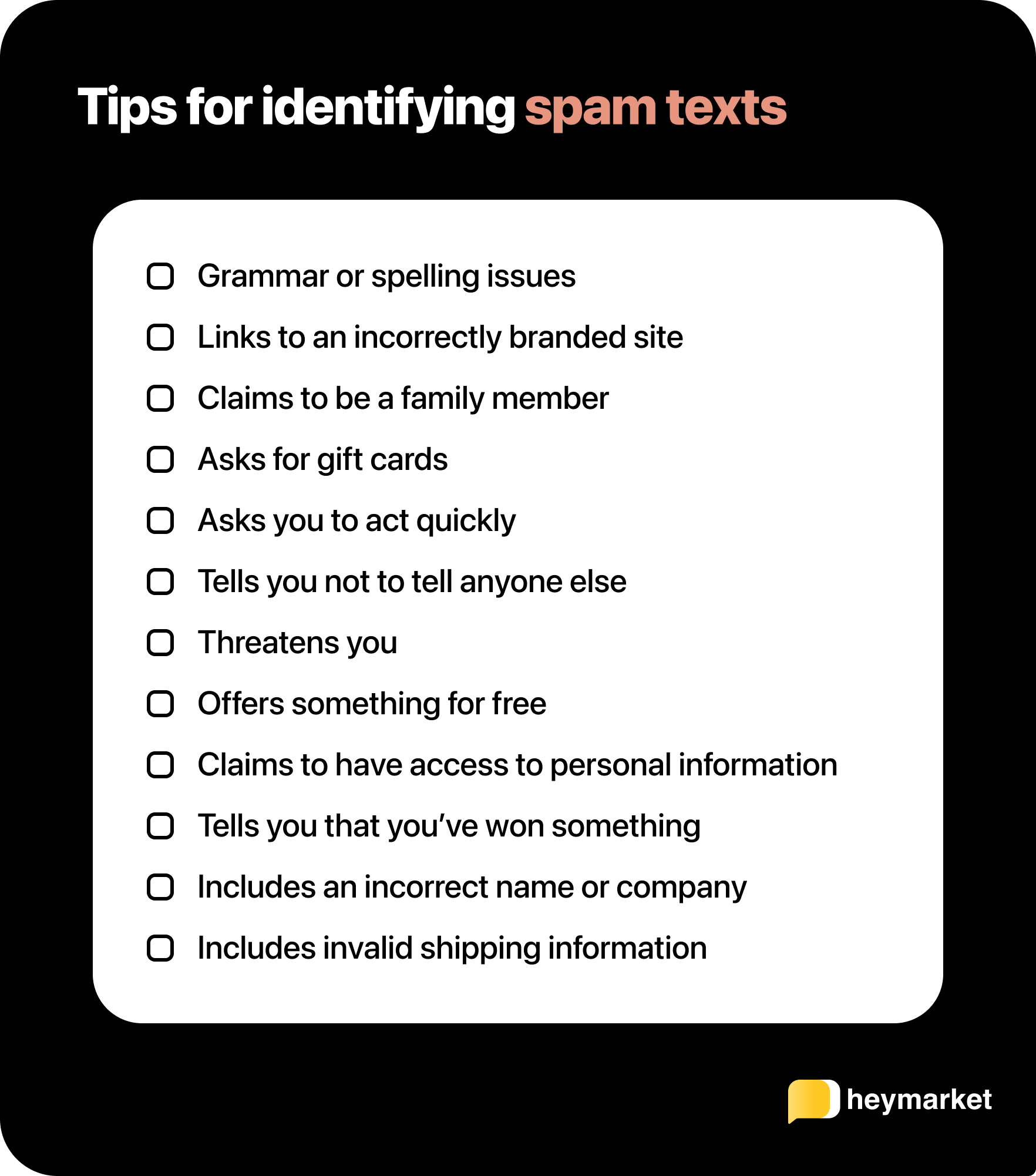
Spamming has transformed alongside digital innovation, shifting from static email campaigns to dynamic, interactive attacks on modern platforms. Early email spam relied on mass mailings with generic content, exploiting open relay servers to bypass filters. Today, spammers leverage automated bots, machine learning, and social engineering to craft hyper-personalized messages that mimic legitimate interactions. For instance, SMS spam (or "smishing") often impersonates banking alerts, while social media spam uses fake accounts to spread malware or divisive content. The table below compares spamming tactics across platforms, highlighting their unique targets and consequences.
| Platform | Primary Tactics | Target Audience | Common Consequences | Example |
|---|---|---|---|---|
| Bulk unsolicited messages, phishing links, malware attachments | General public, businesses, government employees | Data breaches, financial loss, reputational damage | Fake "Amazon order confirmation" emails with malicious attachments | |
| SMS/MMS | Smishing (SMS phishing), premium-rate scams, fake alerts | Mobile users, especially older adults and small businesses | Unauthorized charges, identity theft, device malware | "Your bank account is locked" messages redirecting to fake login pages |
| Social Media | Fake accounts, clickbait links, automated likes/comments, scam giveaways | Teenagers, influencers, corporate profiles | Account hijacking, spread of misinformation, ad revenue loss | Twitter/X bots promoting cryptocurrency scams with fake celebrity endorsements |
| Messaging Apps | Direct message spam, romance scams, tech support fraud | Individual users, customer service channels | Emotional manipulation, financial scams, privacy violations | WhatsApp messages claiming "You’ve won a free iPhone" requiring upfront payment |
| Forums & Comment Sections | Spam links, fake reviews, trolling, SEO manipulation | Online communities, e-commerce sites, news outlets | Degraded user experience, SEO poisoning, legal liabilities | Reddit threads flooded with irrelevant links to boost affiliate sales |
The adaptability of spamming is evident in its platform-specific optimizations, where tactics exploit inherent vulnerabilities. For example, social media spam thrives on algorithmic amplification, while SMS spam capitalizes on urgency-driven human behavior. Recognizing these patterns is essential for developing effective countermeasures, as spammers continuously refine their approaches to bypass security protocols.
Psychological and Emotional Impact of Spamming on Victims
Spamming extends beyond technical disruption to inflict psychological harm, manipulating emotions to achieve its goals. Victims often experience violation of personal space, as unsolicited messages intrude on private communications, creating a sense of helplessness. Annoyance evolves into fear when spamming involves phishing scams or impersonation, particularly in cases like sextortion or fake tech support calls. Studies indicate that repeated exposure to spam can lead to increased stress, paranoia, and distrust in digital interactions, eroding user confidence in online safety.
Table of Contents
- Understanding the Concept of Spamming in Digital Communication
- Evolution of Spamming Across Digital Platforms
- Psychological and Emotional Impact of Spamming on Victims
- Common Misconceptions About Spamming
- Methods and Techniques Used in Spamming: Tactics, Exploitation, and Scaling Operations
- Common Spamming Techniques: Step-by-Step Breakdown
- Comparison: Automated vs. Manual Spamming Methods
- Legal and Ethical Consequences of Spamming: Regulatory Frameworks, Penalties, and Investigative Processes
- Global Anti-Spam Legislation and Penalties
- Ethical Dilemmas and Justifications in Spamming
- Legal Repercussions and Case Studies
- Industry-Specific Compliance and Global Variations
- Protecting Yourself and Others from Spam
- Proactive Measures to Avoid Being Spammed
- Identifying and Reporting Spam
- Technical Solutions for Filtering Spam
- Organizational Spam Prevention Strategies
- The Dark Side: Spamming as a Tool for Cybercrime
- Spam as a Gateway for Cybercrime: Tactics and Execution
- Anatomy of a Spam-Driven Cyberattack: Step-by-Step Flowchart
- Real-World Examples of Spam Campaigns Leading to Cybercrime
- Emerging Trends in Spam-Based Cybercrime
The emotional toll varies by context: - Financial spam triggers anxiety about monetary loss, prompting hasty decisions that often worsen outcomes. - Harassment-based spam (e.g., stalking or doxxing) can escalate into real-world threats, exacerbating mental health challenges. - Misinformation spam undermines societal trust, as seen in coordinated disinformation campaigns during elections or health crises.
"Spam is not just noise—it’s a calculated invasion of privacy designed to exploit human psychology, whether through greed, fear, or urgency." — Cybersecurity Expert, 2023
Platforms like LinkedIn or dating apps are particularly vulnerable, where spammers exploit loneliness or professional ambition to manipulate victims into sharing sensitive information. The cumulative effect of spamming is a degradation of digital well-being, reinforcing the need for proactive user education and robust platform defenses.
Common Misconceptions About Spamming
Spamming is frequently misunderstood, with myths perpetuating misguided perceptions about its nature and intent. One prevalent misconception is that all spam is purely commercial, ignoring its role in cybercrime, activism (e.g., hacktivism), or even political propaganda. For example, state-sponsored spam campaigns often disseminate disinformation rather than sell products. Additionally, not all unsolicited messages are spam—legitimate businesses may send targeted emails or messages with opt-out options, distinguishing them from malicious spam.
Another myth suggests that spam is easily detectable by volume alone, overlooking sophisticated techniques like single-message phishing or low-and-slow attacks, where spammers send minimal messages over time to avoid triggering filters. Furthermore, the belief that "only tech-savvy individuals fall for spam" ignores that emotional triggers—such as urgency or curiosity—affect everyone, regardless of technical knowledge.
"Spam is the digital equivalent of junk mail, but with the precision of a scalpel—targeted, persistent, and often invisible until it’s too late." — FBI Cyber Division Report, 2022
Clarifying these misconceptions is vital for fostering digital literacy, as misunderstandings can lead to complacency or ineffective countermeasures. Spamming is a dynamic, evolving threat that transcends simple definitions, requiring continuous vigilance and adaptive strategies to mitigate its impact.
Methods and Techniques Used in Spamming: Tactics, Exploitation, and Scaling Operations
Spamming in digital communication relies on a diverse arsenal of techniques, ranging from automated mass distribution to manual social engineering. These methods exploit human psychology, technical vulnerabilities, and platform weaknesses to deliver unsolicited messages at scale. While some techniques prioritize speed and volume, others focus on deception and persuasion. Understanding these tactics is critical for cybersecurity professionals, platform developers, and users to identify, mitigate, and defend against spam campaigns. Below is an analysis of the most prevalent spamming techniques, their operational mechanics, and the infrastructure that enables their execution.
Common Spamming Techniques: Step-by-Step Breakdown
Spammers employ a combination of automated and manual methods to maximize reach and evade detection. The following techniques represent the most widely used approaches, categorized by their primary mechanism—whether through deception, exploitation of vulnerabilities, or sheer volume.
Automated Spamming Techniques Spammers leverage automation to send messages at unprecedented speeds, often using scripts, bots, or purchased tools to bypass manual limitations.
- Mass Emailing via SMTP Relays Spammers exploit open or poorly secured SMTP (Simple Mail Transfer Protocol) servers to send bulk emails without triggering spam filters. The process involves: - Harvesting SMTP servers from public lists or compromised networks. - Sending emails in bursts to avoid rate-limiting mechanisms. - Using disposable email domains to obscure the origin. - Example: In 2016, the "Dridex" malware campaign used hijacked SMTP servers to distribute malicious payloads, infecting over 250,000 systems.
- Botnet-Driven Spam Distribution Botnets—networks of compromised devices—serve as proxies to distribute spam undetected. Steps include: - Infecting devices via malware (e.g., Mirai, Emotet) to create a botnet. - Commanding bots to send spam via infected machines’ IP addresses. - Rotating IPs to evade blacklists. - Example: The "Necurs" botnet, active since 2012, has sent billions of spam emails annually, including phishing and ransomware campaigns.
- SMS Spam (Smishing) Smishing exploits SMS vulnerabilities to deliver fraudulent messages. The workflow includes: - Purchasing bulk SMS gateways from providers with lax verification. - Sending messages with urgent prompts (e.g., "Your account is locked"). - Using international routing to bypass local spam filters. - Example: In 2020, a smishing campaign in the UK tricked victims into revealing banking details by impersonating HMRC (tax authority) alerts.
- Social Media Automation Tools Spammers use third-party apps (e.g., "Follower Bot," "AutoDM") to automate likes, comments, and direct messages. The process involves: - Creating fake accounts with stolen identities or AI-generated profiles. - Scheduling posts to mimic organic activity. - Engaging with targets via automated replies or phishing links. - Example: During the 2016 U.S. election, Russian operatives used automated Twitter bots to amplify divisive content, reaching millions of users.
Manual and Semi-Automated Spamming Techniques These methods rely on human intervention to craft personalized or high-conviction messages, often targeting specific victims.
- Phishing Attacks Phishing manipulates users into divulging sensitive information through deceptive messages. The execution includes: - Researching targets to personalize emails (e.g., using LinkedIn data). - Crafting urgent or fearful subject lines (e.g., "Your PayPal account is suspended"). - Hosting fake login pages via URL shorteners or compromised websites. - Example: The "CEO Fraud" scam tricks employees into transferring funds by impersonating executives with fabricated urgency. - > Sample Phishing Email: > "Subject: Urgent: Verify Your Account Access > Dear [Name], > We’ve detected unauthorized login attempts on your [Service] account. To secure your data, [click here](#) to verify your identity immediately. Failure to act may result in permanent account suspension. > — [Service] Security Team"
- Spoofing and Email Impersonation Spoofing involves mimicking legitimate senders to gain trust. Techniques include: - Spoofing email addresses using tools like "Email Spoofer" or DNS manipulation. - Forging headers to show a trusted domain (e.g., `support@amazon-security.com`). - Exploiting display name fields to show a fake sender name. - Example: In 2019, a spoofing campaign impersonated Apple’s CEO, Tim Cook, to demand Bitcoin payments from employees.
- Comment Spam on Blogs/Forums Spammers flood discussion platforms with irrelevant links or ads. The process includes: - Identifying high-traffic forums or blogs with weak moderation. - Posting generic comments (e.g., "Great post! Check out [link]") with hidden affiliate links. - Using CAPTCHA-solving services to automate submissions. - Example: WordPress sites often face comment spam from bots promoting SEO services or pharmaceuticals.
- Voice Call Spam (Vishing) Vishing uses automated or manual phone calls to deceive victims. Steps include: - Purchasing VoIP services with spoofed caller IDs. - Recording pre-scripted messages with urgent tones (e.g., "Your Social Security number is compromised"). - Directing calls to premium-rate numbers for financial gain. - Example: The "IRS Scam" involves callers demanding immediate payment to avoid arrest, often using spoofed government numbers.
- Forum and Survey Spam Spammers exploit poorly moderated forums or fake surveys to distribute malware or ads. Methods include: - Creating fake user accounts with stolen credentials. - Posting survey links leading to phishing pages or malware downloads. - Exploiting forum vulnerabilities (e.g., unpatched plugins) to inject malicious code. - Example: Fake "COVID-19 Tracker" surveys in 2020 lured victims into downloading spyware.
- Exploiting Platform Vulnerabilities Spammers target weaknesses in authentication, API endpoints, or data storage to bypass filters. Common tactics include: - Brute-forcing APIs to send messages without rate limits (e.g., Twitter’s legacy API). - Abusing webhooks to trigger automated responses (e.g., Slack or Discord bots). - Manipulating CAPTCHAs using crowdsourcing or machine learning. - Example: In 2018, hackers exploited Facebook’s "View As" feature to steal access tokens, enabling mass message spam to user networks.
Comparison: Automated vs. Manual Spamming Methods
The efficiency, detectability, and tools required for spamming vary significantly between automated and manual approaches. Below is a comparative analysis to highlight key differences:
| Criteria | Automated Spamming | Manual/Semi-Automated Spamming | ||||||||||||||||||||||||||||||||||||||||||||||||||||||||||||||||||||||||||||||||
|---|---|---|---|---|---|---|---|---|---|---|---|---|---|---|---|---|---|---|---|---|---|---|---|---|---|---|---|---|---|---|---|---|---|---|---|---|---|---|---|---|---|---|---|---|---|---|---|---|---|---|---|---|---|---|---|---|---|---|---|---|---|---|---|---|---|---|---|---|---|---|---|---|---|---|---|---|---|---|---|---|---|---|
| Efficiency | High volume (thousands/hour); scalable with botnets or purchased tools. | Lower volume (dozens/hour); labor-intensive but more personalized. | ||||||||||||||||||||||||||||||||||||||||||||||||||||||||||||||||||||||||||||||||
| Detectability | High (IP blacklisting, behavioral analysis, spam filters). | Moderate (human review required; harder to detect if well-crafted). | ||||||||||||||||||||||||||||||||||||||||||||||||||||||||||||||||||||||||||||||||
| Tools Required | Botnets, SMTP relays, bulk SMS gateways, automation scripts (e.g., Python, PHP), CAPTCHA-solving services. | Social engineering tools, email spoofing software, fake accounts, manual research (OSINT tools like Maltego). | ||||||||||||||||||||||||||||||||||||||||||||||||||||||||||||||||||||||||||||||||
| Cost | Low to moderate (botnet rental ~$50–$500/month; SMS gateways ~$0.01–$0.10/message). | Moderate to high (manual labor, domain registration, fake identities). | ||||||||||||||||||||||||||||||||||||||||||||||||||||||||||||||||||||||||||||||||
| Success Rate | Low (most filtered by spam systems); high for targeted botnet attacks. |
| Legislation | Country/Region | Key Requirements | Penalties for Violations | Enforcement Authority |
|---|---|---|---|---|
| CAN-SPAM Act (2003) | United States |
|
|
Federal Trade Commission (FTC) |
| GDPR (General Data Protection Regulation, 2018) | European Union |
|
|
National Data Protection Authorities (e.g., CNIL in France) |
| CASL (Canada’s Anti-Spam Legislation, 2014) | Canada |
|
|
Canadian Radio-television and Telecommunications Commission (CRTC) |
| Spam Act 2003 | Australia |
|
|
Australian Communications and Media Authority (ACMA) |
| Unsolicited Electronic Messages Regulations (UEMR, 2014) | United Kingdom |
|
|
Information Commissioner’s Office (ICO) |
Note: Penalties often escalate for repeat offenses or egregious violations, such as phishing or malware distribution. Jurisdictions with stricter data privacy laws (e.g., GDPR) impose higher fines due to broader definitions of "spam" that include unsolicited tracking or profiling.
Ethical Dilemmas and Justifications in Spamming
Spammers frequently justify their actions through economic or technical arguments, creating ethical gray areas that conflict with consumer rights. Key dilemmas include:
"Spam is just the cost of doing business in the digital age."counters ethical concerns by framing it as an inevitable trade-off, ignoring the cumulative harm to individuals and small businesses overwhelmed by unsolicited messages.
explicit consent principles under GDPR and CASL, where passive actions (e.g., website visits) do not constitute valid opt-in.
Counterarguments often dismiss ethical violations as "collateral damage" of a competitive market, but legal precedents (e.g., FTC vs. Righthaven) demonstrate that courts prioritize
transparency, consent, and proportionality over profit motives.
Legal Repercussions and Case Studies
Spamming operations face severe legal consequences, from financial penalties to criminal prosecution. Notable cases illustrate the scale of enforcement:
Operation Ghost Click (2011): Estonian cybercrime ring used botnets to send spam and malware, generating $140 million annually. Authorities seized domains and infrastructure, with key figures facing prison sentences under U.S. and European cybercrime laws. FTC vs. Endurance International Group (2013): The company sent 2.4 billion spam emails without opt-outs, violating CAN-SPAM. They settled for $160 million, including $100 million in restitution and structural reforms to their marketing practices. GDPR Fines in the EU (2019–2023): German postal service (Deutsche Post) was fined €20.3 million for sending unsolicited emails, while British Airways faced £20 million for GDPR violations tied to spam-related data breaches. Legal repercussions extend beyond fines:
Domain seizures (e.g., ICANN takedowns for phishing/spam domains). Criminal charges for fraud or identity theft (e.g., spam-for-hire services prosecuted under wire fraud laws). IP litigation where spammers misuse trademarks (e.g., cybersquatting cases). Industry-Specific Compliance and Global Variations
Anti-spam laws impact industries differently due to varying regulatory priorities and enforcement resources:
Technology Sector: Strict compliance with GDPR/CAN-SPAM due to high-profile breaches (e.g., LinkedIn’s 2016 GDPR violation over lead generation spam). Tools like DMARC, SPF, and DKIM are widely adopted to authenticate emails and reduce spoofing. -
Protecting Yourself and Others from Spam
Spam remains a pervasive threat in digital communication, evolving alongside technological advancements. While understanding its mechanics is crucial, proactive protection is equally essential to mitigate risks. Individuals, businesses, and organizations must adopt layered security measures to filter, identify, and neutralize spam effectively. This section outlines actionable strategies, from personal hygiene practices to organizational policies, ensuring comprehensive defense against unwanted and malicious communications.
Proactive Measures to Avoid Being Spammed
Preventing spam begins with foundational security practices that reduce exposure to exploitation. Cybercriminals often exploit weak credentials, unsecured networks, and uninformed users to distribute spam. Implementing the following measures minimizes vulnerabilities:
Measure Implementation Why It Matters Strong Passwords Use 12+ character passwords with uppercase, lowercase, numbers, and symbols. Avoid reusing passwords. Prevents credential stuffing attacks where spammers use leaked passwords to hijack accounts. Two-Factor Authentication (2FA) Enable 2FA on email, social media, and financial accounts via SMS, authenticator apps, or hardware keys. Adds an extra layer of security, making unauthorized access significantly harder. Avoid Public Wi-Fi for Sensitive Transactions Use VPNs or mobile data for banking, shopping, or logging into accounts on public networks. Public Wi-Fi is often unencrypted, allowing attackers to intercept data (e.g., session hijacking). Regular Software Updates Keep operating systems, browsers, and security software updated to patch vulnerabilities. Exploits in outdated software are common entry points for spam distribution tools. Email Hygiene Use a separate email for subscriptions, avoid sharing personal email publicly, and unsubscribe from suspicious lists. Reduces exposure to phishing emails and data harvesting campaigns. Browser and Plugin Security Disable unnecessary plugins (e.g., Flash, Java), use ad-blockers, and keep browsers updated. Malicious ads and plugins are vectors for drive-by downloads and spam botnets. Identifying and Reporting Spam
Recognizing spam is the first step in containment. Spam manifests differently across platforms—whether as unsolicited emails, fake social media messages, or deceptive ads. Reporting mechanisms vary by service, but most platforms provide intuitive tools to flag and block spam. Below are standardized procedures for common platforms: Email (e.g., Gmail, Outlook): Most email clients include a "Report Spam" or "Mark as Phishing" button. For example:
Gmail: Select the email, click the three-dot menu → "Report Phishing" (for malicious emails) or "Report Spam." Outlook: Right-click the email → "Junk" → "Report as Junk."
Social Media (e.g., Facebook, Twitter/X, LinkedIn): Platforms often integrate spam reporting into message threads or profile interactions. Example interfaces:
Facebook Messenger: Open the message → Tap the three-dot menu → "Report" → "It's spam or junk." Twitter/X: Hover over the tweet → Click the three-dot menu → "Report Tweet" → Select "It's spam."
Messaging Apps (e.g., WhatsApp, Telegram): For group spam or suspicious messages:
WhatsApp: Open chat → Tap contact info → "Report" → "Spam." Telegram: Right-click message → "Report" → "Spam."
Why Reporting Matters: Reporting spam helps platforms refine AI filters, track malicious actors, and take legal action against repeat offenders. Collective reporting strengthens community defenses and reduces spam volume over time.
Technical Solutions for Filtering Spam
Automated tools and configurations play a critical role in spam mitigation. Individuals and organizations can leverage built-in features or third-party solutions to filter threats before they reach inboxes or systems. Built-in Spam Filters: Most email providers (e.g., Gmail, Yahoo, ProtonMail) use machine learning to categorize spam. Users can:
Adjust spam filter sensitivity in settings. Whitelist trusted senders to prevent false positives. Configure rules to auto-delete or quarantine suspicious emails. Third-Party Anti-Spam Tools: Advanced tools offer granular control and additional layers of security. Below is a comparison of free and paid options:
Tool Type Key Features Limitations Effectiveness SpamAssassin Open-source (Free) Rule-based filtering, Bayesian analysis, customizable scoring. Requires technical setup; may need tuning for accuracy. High for configured systems; lower for default setups. MailWasher Freemium (Free/Paid) Pre-download scanning, phishing URL blocking, custom blacklists. Free version limited to 100 emails/day; paid version required for full features. High for paid; moderate for free. SpamTitan Paid (Enterprise) Cloud-based, sandboxing, AI-driven threat detection, DMARC enforcement. Expensive for small businesses; requires integration with existing systems. Very high for enterprise environments. Clean Email Freemium (Free/Paid) Unsubscribe management, duplicate removal, spam training for Gmail/Outlook. Limited automation in free tier; paid plans offer advanced features. Moderate for personal use; higher for paid subscriptions. Microsoft Defender for Office 365 Paid (Enterprise) Zero-day attack protection, safe attachment processing, anti-phishing policies. Requires Office 365 subscription; complex setup. Very high for integrated environments. AI-Based Spam Detection: Modern tools like Google’s TensorFlow-based filters or Darktrace’s AI analyze patterns in real-time, adapting to new spam tactics. These systems reduce false positives and improve detection rates by learning from user feedback.
Organizational Spam Prevention Strategies
Businesses and institutions face higher stakes, as spam can lead to data breaches, reputational damage, or financial loss. Implementing a multi-layered approach is critical. Key strategies include: Email Authentication Protocols: Deploying SPF (Sender Policy Framework), DKIM (DomainKeys Identified Mail), and DMARC (Domain-based Message Authentication) verifies sender legitimacy and reduces spoofing. For example:
SPF: Publishes a record in DNS specifying authorized sending servers. The Dark Side: Spamming as a Tool for Cybercrime
Spamming has evolved far beyond mere annoyance—it now serves as a critical gateway for cybercriminals to execute large-scale attacks, including phishing, malware distribution, and identity theft. Cybercriminals leverage spam to bypass traditional security measures, exploiting human psychology and system vulnerabilities to infiltrate networks, steal sensitive data, or demand ransom. The sophistication of modern spam campaigns, often aided by artificial intelligence and automation, has amplified their effectiveness, making them a persistent threat in digital ecosystems. Understanding the mechanics of spam-driven cybercrime is essential for recognizing attack patterns, mitigating risks, and implementing proactive defenses.
Spam as a Gateway for Cybercrime: Tactics and Execution
Spamming functions as an initial vector for cyberattacks, enabling criminals to distribute malicious content at scale while masking their true intent. Below are key tactics employed in spam-driven cybercrime, along with their operational mechanics: Phishing via Spam Emails Spammers craft deceptive emails mimicking legitimate sources—such as banks, government agencies, or well-known corporations—to trick recipients into divulging credentials or financial information. These emails often include urgent calls to action, fake login portals, or malicious attachments.
Execution: Impersonation: Emails use official logos, branding, and salutation formats (e.g., "Dear Customer") to appear authentic. Urgency Triggers: Messages claim account suspension, security breaches, or legal consequences if action isn’t taken immediately. Malicious Links: URLs redirect victims to fake login pages designed to harvest credentials (e.g., `paypa1-login[.]com`). Social Engineering: Personalized details (e.g., partial account numbers) are embedded to increase credibility. Malware Distribution Through Spam Attachments Attachments in spam emails—such as PDFs, Word documents, or executable files—often contain malware like ransomware, trojans, or spyware. When opened, these files exploit software vulnerabilities to infect systems.
Execution: Exploit Kits: Attachments trigger drive-by downloads, leveraging unpatched software (e.g., Adobe Flash, Java) to install malware silently. Macro-Based Attacks: Microsoft Word/Excel files with enabled macros execute malicious scripts upon opening. Fileless Malware: Some spam campaigns use PowerShell or WScript to download and run payloads without leaving traces on disk. Zero-Day Exploits: Rare but potent, these attacks target undiscovered vulnerabilities (e.g., CVE-2021-40444 in MSHTML). Identity Theft and Financial Fraud Spam campaigns often aim to steal personally identifiable information (PII) or financial data, which is then sold on dark web markets or used for fraudulent transactions.
Execution: Credential Harvesting: Fake forms in emails request sensitive data (e.g., SSN, credit card numbers) under false pretenses. BEC (Business Email Compromise): Fraudsters impersonate executives or vendors to trick employees into transferring funds to compromised accounts. Tax Refund Scams: Emails mimic tax authorities, offering fake refunds linked to malicious portals that steal login credentials. Sim Swapping: Spam messages direct victims to "verify" their phone numbers, enabling attackers to hijack SMS-based 2FA codes. Anatomy of a Spam-Driven Cyberattack: Step-by-Step Flowchart
A typical spam-driven attack follows a structured sequence, from message crafting to exploitation. Below is a textual representation of the flowchart for visualization purposes: 1. Message Crafting
Objective: Design emails/ SMS messages to appear legitimate while concealing malicious intent. Techniques: Spoofed sender addresses (e.g., `support@amaz0n-security[.]com`). HTML/CSS rendering to mimic trusted interfaces. Localized content to target specific regions or industries. 2. Distribution
Scale: Millions of emails/SMS blasted via botnets or compromised email servers. Methods: Purchased email lists or data breaches. Automated scraping of public profiles (e.g., LinkedIn). Exploiting open mail relays or misconfigured SMTP servers. 3. Victim Engagement
Triggers: Urgency, fear, or curiosity (e.g., "Your account has been locked—click here to verify"). Delivery Vectors: Clickable links (phishing). Attachments (malware). Embedded forms (data theft). 4. Exploitation
Phishing: Victims enter credentials on fake login pages, which are transmitted to attackers. Malware: Executed files install backdoors (e.g., Emotet) or ransomware (e.g., WannaCry). Lateral Movement: Compromised credentials enable attackers to access internal networks. 5. Post-Exploitation
Data Exfiltration: Stolen data (e.g., customer databases) is sold or used for further attacks. Ransom Demands: Encrypted files with ransom notes (e.g., "Pay $500 in Bitcoin or lose data forever"). Persistence: Malware like TrickBot maintains access for future attacks. Real-World Examples of Spam Campaigns Leading to Cybercrime
Spam campaigns have resulted in billions in financial losses and widespread data breaches. Below are high-profile cases illustrating their impact: Example 1: Dridex Malware Campaign (2015–Present) A persistent spam campaign distributed the Dridex banking trojan, which stole credentials and financial data from over 27 million users globally. Attackers used fake invoices and tax-related lures. > Actual Spam Message (2017): >
> "Subject: Invoice #INV-2017-004567 > Dear Sir/Madam, > Please find attached the invoice for your recent purchase. Kindly review and settle the payment within 7 days to avoid penalties. Click [here] to access the document. > Regards, > Accounts Department" >
> Outcome: Victims opening the attachment triggered a keylogger, capturing keystrokes for online banking sessions. Example 2: Emotet Trojan via Spam (2018–2021) Emotet, primarily spread via malicious Word documents in spam emails, infected 1.6 million devices in 2020 alone. It served as a botnet loader, enabling further malware deployment (e.g., ransomware like Ryuk). > Actual Spam Message (2020): >
> "Subject: Urgent: COVID-19 Safety Protocol Update > Dear Employee, > Attached is the updated safety protocol document. Please review and acknowledge receipt by [replying to this email]. > HR Team" >
> Outcome: Enabling macros in the document downloaded Emotet, leading to corporate network breaches. Example 3: Business Email Compromise (BEC) Scams The FBI reported $2.7 billion in losses from BEC scams in 2022, with spam playing a pivotal role. Attackers impersonated CEOs or suppliers to trick employees into wiring funds. > Actual Spam Message (2021): >
> "Subject: Urgent Wire Transfer Request > From: John Doe [CEO] > Dear [Employee], > Please process the attached invoice for our vendor in [Country]. The payment is time-sensitive. Wire the funds to the account below: > Account: XYZ Bank, IBAN: [malicious details] > Regards, > John" >
> Outcome: Funds were transferred to attacker-controlled accounts, with victims often discovering the fraud too late.
Emerging Trends in Spam-Based Cybercrime
Cybercriminals continuously adapt spam tactics using AI, deepfake technology, and automation to evade detection. Below are evolving trends reshaping spam-driven attacks: AI-Generated Scams Natural Language Processing (NLP) models generate hyper-personalized spam emails, mimicking an individual’s writing style to bypass email filters.
Mechanism: AI tools (e.g., DarkBERT, a variant of BERT) analyze leaked data to craft convincing messages. Dynamic content adjusts based on victim profiles (e.g., referencing past purchases or family names). Example: A fake email from a victim’s "boss" requesting an urgent gift card purchase, written in their manager’s exact tone. Deepfake Voice Spam Voice phishing (vishing) now employs deepfake audio to impersonate trusted contacts, tricking victims into authorizing transactions.
Mechanism: AI generates realistic Spamming is far more than a nuisance; it is a calculated tool wielded by cybercriminals, marketers, and even state actors to manipulate, deceive, and profit at the expense of unsuspecting victims. As technology advances, so too do the methods of spammers, with AI-driven deepfakes and automated scams pushing the boundaries of what was once considered possible. Protecting oneself requires vigilance, the right tools, and an understanding of how spammers operate—from crafting convincing messages to scaling operations across global networks. The fight against spam is not just about filtering emails or blocking messages; it is about safeguarding digital trust, personal security, and the integrity of online communication in an era where every click could be a step toward exploitation.
Leave a Comment
Comments are moderated before appearing. The data you submit is processed according to the Privacy Policy of kiwiirc.com.