create an operational strategy with minimal to no impact on existing systems
Disrupting operations without forethought often leads to costly downtime, employee resistance, and lost revenue—yet many organizations still pursue high-risk transformations blindly. The key lies in crafting operational strategies that deliver measurable results while preserving continuity, scalability, and stakeholder trust. From lean manufacturing floors to AI-driven healthcare systems, the most resilient companies are redefining efficiency without sacrificing stability, proving that minimal disruption does not equal minimal progress.
This approach demands more than incremental tweaks; it requires a structured framework that aligns technology, workforce dynamics, and external dependencies into a cohesive, adaptive system. By leveraging modular designs, phased rollouts, and data-driven feedback loops, businesses can implement strategies that reduce operational strain while enhancing performance. The difference between a strategy that falters under pressure and one that thrives lies in the meticulous balance between innovation and preservation—where every adjustment is tested, refined, and scaled without breaking the existing infrastructure.

Creating Operational Strategies with Minimal Disruption: Core Principles and Practical Applications
Operational strategies designed to minimize disruption prioritize efficiency, adaptability, and stakeholder collaboration while maintaining business continuity. These approaches leverage structured methodologies such as lean principles, agile frameworks, and continuous improvement models to ensure seamless transitions without compromising performance. By integrating operational resilience—defined as the ability to anticipate, withstand, and recover from disruptions—organizations can mitigate unintended consequences, particularly during high-stakes implementations. The distinction between high-impact and low-impact strategies lies in their execution scope, risk tolerance, and alignment with existing workflows, with sectors like manufacturing, healthcare, and IT offering diverse case studies of success.

Core Principles of Minimal-Impact Operational Strategies
The foundation of low-disruption operational strategies rests on three interconnected principles: lean efficiency, agile adaptability, and continuous improvement. Lean methodologies, originating from Toyota’s production system, emphasize eliminating waste (e.g., overproduction, delays) while optimizing resource allocation. Agile frameworks, borrowed from software development, introduce iterative processes, cross-functional collaboration, and rapid feedback loops to accommodate change without destabilizing operations. Meanwhile, continuous improvement models like Six Sigma and Kaizen focus on data-driven problem-solving and incremental enhancements, reducing the need for abrupt overhauls.
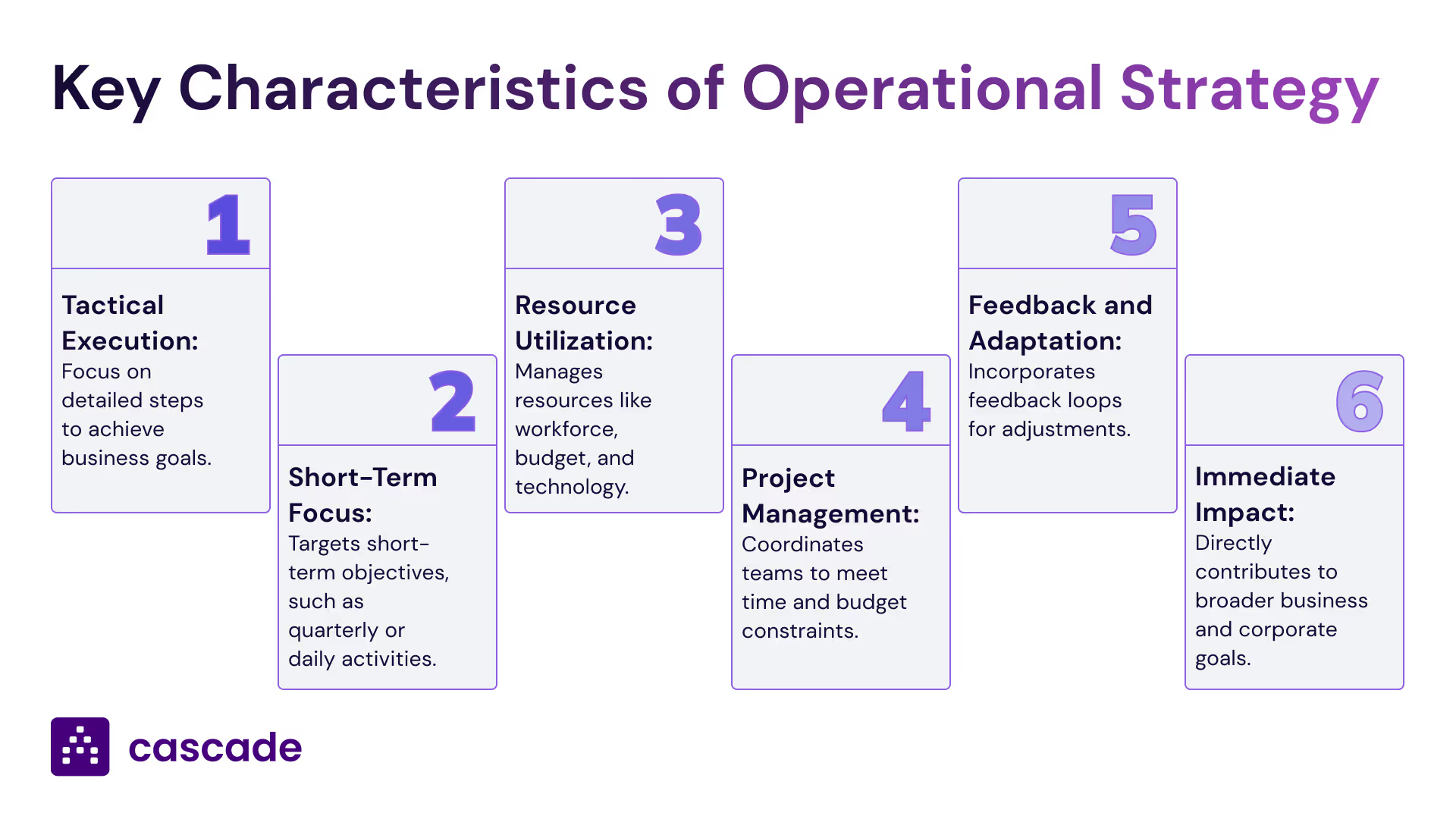
Operational resilience complements these principles by embedding flexibility into systems. For instance, buffering—maintaining surplus capacity—allows organizations to absorb shocks, while modular design in IT systems enables isolated updates without full-scale downtime. In healthcare, just-in-time (JIT) inventory management ensures critical supplies are available without overstocking, minimizing logistical disruptions.
Comparative Analysis: High-Impact vs. Low-Impact Operational Strategies
High-impact strategies, such as large-scale digital transformations or mergers, often require significant retooling, retraining, and process redesign, leading to operational friction. In contrast, low-impact strategies like incremental automation or cross-training employees integrate gradually, reducing resistance. Below is a comparative table illustrating key differences:
| Strategy Type | Primary Goal | Implementation Risks | Success Metrics |
|---|---|---|---|
| Disruptive (High-Impact) | Radical overhaul (e.g., enterprise resource planning (ERP) system replacement, full-scale AI integration) | High employee resistance, system incompatibility, prolonged downtime, budget overruns | ROI within 12–24 months, system uptime >99%, employee adoption rate >80% |
| Non-Disruptive (Low-Impact) | Incremental optimization (e.g., Kaizen workshops, piloting robotic process automation (RPA) in one department) | Low resistance, minimal downtime, contained scope allows for quick adjustments | Cost savings within 6–12 months, process efficiency improvement >15%, stakeholder satisfaction >90% |
Manufacturing Example: Tesla’s transition to autonomous robotics in its Gigafactories initially caused production halts, whereas Toyota’s Kaizen-based continuous improvement in assembly lines achieved a 30% reduction in defect rates without major disruptions. Healthcare Example: Johns Hopkins Hospital implemented predictive analytics for patient flow incrementally, reducing emergency department wait times by 22% without disrupting existing care pathways. IT Example: Microsoft’s shift to DevOps culture in Azure was rolled out department-by-department, avoiding the chaos seen in traditional waterfall migrations.
Table of Contents
- Creating Operational Strategies with Minimal Disruption: Core Principles and Practical Applications
- Core Principles of Minimal-Impact Operational Strategies
- Comparative Analysis: High-Impact vs. Low-Impact Operational Strategies
- Case Studies of Minimal-Disruption Strategy Implementation
- Stakeholder Alignment for Minimal Operational Disruption
- Designing a Low-Impact Operational Framework
- Modular Design Principles for Operational Resilience
- Mapping Workflows to Identify Low-Impact Optimization Opportunities
- Tools and Technologies for Seamless Low-Impact Execution
- Decision-Making Flowchart for Integrating New Operational Elements
- Phased Rollouts and Controlled Pilot Environments
- Risk Mitigation in Strategy Implementation: Safeguarding Operational Continuity with Proactive Measures
- Common Pitfalls in Operational Strategy Execution and Their Consequences
- Tailored Risk Assessment Framework for Low-Impact Operational Strategies
- Operational Risk Inventory: Mitigation Strategies and Accountability
- Scenario Planning: Anticipating Disruptions Through Structured Hypothesis Testing
- Pre-Implementation Audit Checklist for Operational Strategy Alignment
- Measuring and Optimizing Minimal-Impact Operational Strategies
- Key Performance Indicators for Low-Impact Operational Strategies
- Methodology for Collecting and Analyzing Stakeholder Feedback
- Case Study: Iterative Optimization in a Global Supply Chain
- Quarterly Review Report Template for Operational Strategy Optimization
- Step-by-Step Guide for A/B Testing Operational Tactics
- Balancing Short-Term Gains and Long-Term Sustainability
- Case Studies: Real-World Applications of Low-Impact Operational Strategies
- Just-in-Time Inventory in Retail: A Supply Chain Revolution Without Disruption
- Telemedicine Adoption in Healthcare: Incremental Expansion Without Compromising Patient Care
- Predictive Maintenance in Manufacturing: Minimizing Downtime Through IoT and Training
- Comparative Analysis: Low-Impact Strategies Across Industries
- Operational Workflow Transformation: Before and After Low-Impact Strategy Implementation
- Lessons from Failed Low-Impact Strategies and Recovery Pivots
Case Studies of Minimal-Disruption Strategy Implementation
Organizations across industries have demonstrated that minimal-impact strategies can drive significant change without operational chaos. Zara, the fast-fashion retailer, employs just-in-time production and modular supply chains to introduce new designs weekly with minimal inventory overstock. By aligning suppliers, manufacturers, and stores through real-time data sharing, Zara avoids the pitfalls of bulk production disruptions.
In healthcare, Cleveland Clinic reduced readmission rates by 18% through nurse-led care transition programs, implemented in phases across departments. The strategy relied on cross-functional training and pilot testing in high-risk units before full rollout, ensuring buy-in from physicians and administrative staff.
IT Sector: Google’s migration to Kubernetes for container orchestration was executed via canary releases, where updates were deployed to a small subset of users first. This approach allowed the company to detect and resolve issues in real time, minimizing service interruptions for millions of daily users.
Stakeholder Alignment for Minimal Operational Disruption
Stakeholder alignment is critical to preventing resistance and ensuring smooth strategy execution. Leadership buy-in is secured through data-driven ROI projections and alignment with corporate vision. For example, GE Healthcare gained executive support for its predictive maintenance program by demonstrating a $50 million annual cost savings in equipment downtime.
Employee engagement requires transparent communication, training incentives, and feedback loops. Unilever’s sustainability initiatives in supply chains were adopted more readily after involving factory workers in Kaizen workshops, leading to a 20% reduction in water usage without productivity losses.
External partners, such as suppliers or vendors, must be integrated early through shared KPIs and collaborative pilot programs. DHL’s carbon-neutral logistics strategy involved supplier co-design of low-emission delivery routes, reducing operational friction during the transition.
"Minimal-impact strategies succeed not by avoiding change, but by embedding it into existing systems in a way that aligns incentives, reduces risk, and leverages incremental progress." — McKinsey & Company, 2023 Operational Resilience Report
Designing a Low-Impact Operational Framework
Creating an operational framework that minimizes disruption requires a deliberate focus on continuity, scalability, and adaptability. Organizations must adopt modular design principles to ensure that changes can be implemented incrementally without destabilizing core operations. By leveraging existing workflows as a foundation, inefficiencies can be systematically identified and addressed through targeted optimizations rather than wholesale transformations. The integration of advanced tools—such as automation, AI-driven analytics, and real-time monitoring—further enables seamless execution while preserving operational stability. A structured approach, including phased rollouts and controlled pilot testing, ensures that new elements are assimilated smoothly into the existing ecosystem.
Modular Design Principles for Operational Resilience
Modularity in operational design allows organizations to decompose complex processes into smaller, manageable components that can be updated or replaced independently. This approach reduces dependency risks by isolating critical functions and enabling parallel development or testing. For example, a logistics company might segment its supply chain into modules for procurement, transportation, and inventory management, each capable of operating autonomously while still contributing to the overarching system.
Key modularity strategies include: - Functional Segmentation: Divide operations into discrete units (e.g., customer service, production, distribution) with clearly defined interfaces. - Standardized Interfaces: Ensure compatibility between modules through APIs, data schemas, or shared platforms to prevent integration bottlenecks. - Scalable Architecture: Design modules to handle increased load without requiring a full system overhaul (e.g., cloud-based microservices). - Redundancy Planning: Implement backup modules for high-risk areas (e.g., duplicate data storage or failover systems).
A modular framework also facilitates agile adaptation, where organizations can repurpose or reconfigure modules to respond to market shifts or disruptions without disrupting other operations. For instance, a retail chain might redeploy its e-commerce module to support a temporary omnichannel shift during peak seasons.
Mapping Workflows to Identify Low-Impact Optimization Opportunities
Before introducing changes, organizations must conduct a workflow audit to pinpoint inefficiencies that can be mitigated with minimal disruption. This process involves documenting existing processes, analyzing bottlenecks, and prioritizing fixes based on impact versus effort. Tools like process mining (e.g., Celonis, Disco) or business process modeling (BPM) software (e.g., Lucidchart, Microsoft Visio) can automate this analysis by visualizing workflows and highlighting deviations from optimal paths.
Step-by-step workflow mapping procedure: 1. Documentation: Capture current workflows through interviews, observations, or existing documentation (e.g., SOPs, ERP logs). 2. Data Collection: Gather metrics such as cycle times, error rates, and resource utilization to quantify inefficiencies. 3. Gap Analysis: Compare workflows against industry benchmarks or internal targets to identify discrepancies. 4. Root Cause Identification: Use techniques like fishbone diagrams or 5 Whys to trace inefficiencies to their source (e.g., manual data entry, siloed systems). 5. Prioritization: Rank findings by cost of failure (e.g., delayed shipments) and ease of resolution (e.g., automating repetitive tasks).
For example, a manufacturing plant might discover that 30% of production delays stem from manual quality checks. By introducing AI-powered defect detection (e.g., computer vision systems from Cognex or Siemens), the plant could reduce delays without altering the core assembly line.
Tools and Technologies for Seamless Low-Impact Execution
The adoption of automation, AI, and real-time monitoring reduces human error and operational friction while maintaining system integrity. Below are categorized tools with their applications:
| Category | Tools/Technologies | Use Case |
|---|---|---|
| Automation | Robotic Process Automation (RPA) | Automates repetitive tasks (e.g., invoice processing, data entry) using tools like UiPath or Blue Prism. |
| Low-Code Platforms | Enables non-technical teams to build workflows (e.g., Microsoft Power Automate, Zapier) without disrupting legacy systems. | |
| AI-Driven Analytics | Predictive Maintenance | Uses sensors and ML (e.g., IBM Maximo) to forecast equipment failures before they occur. |
| Natural Language Processing (NLP) | Automates customer service (e.g., chatbots like IBM Watson Assistant) or extracts insights from unstructured data. | |
| Real-Time Monitoring | Digital Twins | Creates virtual replicas of physical processes (e.g., Siemens MindSphere) for simulation and optimization. |
| IoT Dashboards | Provides live visibility into operational metrics (e.g., Tableau, Power BI) to enable proactive adjustments. |
Integration Considerations: - Legacy System Compatibility: Use API gateways (e.g., MuleSoft) to bridge old and new systems without full migration. - Data Governance: Implement master data management (MDM) tools (e.g., Informatica) to ensure consistency across integrated platforms. - Change Management: Deploy shadow IT controls to monitor unauthorized tool adoption and mitigate risks.
Decision-Making Flowchart for Integrating New Operational Elements
The following textual flowchart outlines the structured decision-making process for introducing changes while preserving existing systems:
1. Assessment Phase: - Input: Current operational state (workflows, tools, KPIs). - Action: Conduct a risk-assessment matrix (likelihood vs. impact of disruption). - Output: Identify critical dependencies and high-risk areas.
2. Modular Integration Pathway: - Option A (Low Risk): Pilot a non-critical module (e.g., internal reporting tool) in a sandbox environment. - Validation: Measure performance against baseline metrics (e.g., time saved, error reduction). - Option B (Moderate Risk): Phase in a core module (e.g., supply chain automation) with parallel legacy support. - Validation: Use A/B testing to compare old vs. new processes. - Option C (High Risk): Full system overhaul (avoid unless modular options are exhausted).
3. Decision Gates: - Gate 1 (Feasibility): Does the change align with modular design principles? - Gate 2 (Resource Readiness): Are teams trained, and tools configured for minimal disruption? - Gate 3 (Performance Threshold): Does the pilot meet predefined success criteria (e.g., 95% uptime)?
Visual Representation (Textual): [Start] │ ▼ [Assess Current State → Risk Matrix] │ ├───[Low Risk]─────────[Pilot Non-Critical Module]───────[Validate]───┐ │ │ ├───[Moderate Risk]────[Phase Core Module with Legacy Backup]────[A/B Test]───┘ │ │ └───[High Risk]───────────────────────────────────────────────────────[Reevaluate]
Example: A healthcare provider integrating electronic health records (EHR) might first pilot the system in a single clinic (low risk), then expand to departments with high legacy dependency (moderate risk), while ensuring backup paper records remain available.
Phased Rollouts and Controlled Pilot Environments
Phased implementation minimizes operational strain by validating changes in isolated, controlled settings before full deployment. This approach reduces exposure to systemic failures and allows for iterative refinements. Key strategies include:
- Pilot Selection Criteria: - Choose a representative subset of operations (e.g., a single production line or customer service team). - Prioritize low-stakes environments (e.g., non-peak hours, secondary locations). - Ensure cross-functional participation to identify hidden dependencies.
- Phased Rollout Stages: 1. Discovery Phase: Test with a small user group (e.g., 5–10 employees) to gather feedback. 2. Validation Phase: Expand to a department or site, monitoring KPIs (e.g., productivity, error rates). 3. Scaling Phase: Gradually increase adoption, with rollback plans for critical failures. 4. Optimization Phase: Ref
Risk Mitigation in Strategy Implementation: Safeguarding Operational Continuity with Proactive Measures
Operational strategies, even when meticulously designed for minimal disruption, remain vulnerable to unforeseen challenges that can derail execution. Risk mitigation in low-impact operational frameworks requires a structured approach to anticipate vulnerabilities, evaluate potential threats, and implement preemptive controls. Without proactive risk management, organizations risk encountering cascading failures—such as resource bottlenecks, stakeholder resistance, or systemic inefficiencies—that undermine strategic objectives. This section explores a tailored risk assessment framework, practical mitigation techniques, and contingency protocols to ensure operational resilience during strategy implementation.
Common Pitfalls in Operational Strategy Execution and Their Consequences
Poorly executed operational strategies often stem from systemic oversights rather than inherent flaws in the design. Change management failures—such as inadequate stakeholder communication or lack of training—create resistance, leading to suboptimal adoption of new processes. Resource misallocation occurs when budgets or personnel are diverted without alignment to strategic priorities, resulting in underperforming initiatives. Additionally, underestimating dependencies between departments or external partners exposes strategies to delays, as critical inputs or approvals stall progress. Historical cases, such as the 2020 global supply chain disruptions in logistics, highlight how interconnected risks—such as port congestion or labor shortages—can amplify operational fragility when not preemptively addressed.
Organizations must recognize these pitfalls as early warning signs, as their consequences often manifest as unintended costs (e.g., emergency rework), reputational damage (e.g., delayed service delivery), or strategic misalignment (e.g., misaligned KPIs). Mitigating these risks requires a dual focus: identifying latent vulnerabilities in the strategy and embedding adaptive mechanisms to absorb shocks without disrupting core operations.
Tailored Risk Assessment Framework for Low-Impact Operational Strategies
A qualitative and quantitative risk evaluation ensures that operational strategies account for both probabilistic and high-impact, low-probability risks. The framework integrates the following components:
1. Qualitative Risk Identification - SWOT Analysis: Evaluates internal (Strengths, Weaknesses) and external (Opportunities, Threats) factors specific to the strategy. - Expert Judgment: Leverages cross-functional teams to identify subjective risks (e.g., cultural resistance to automation). - Historical Data Review: Analyzes past disruptions (e.g., IT system failures, regulatory changes) to project future scenarios.
2. Quantitative Risk Scoring - Risk Matrix: Assigns probabilities (Low/Medium/High) and impact levels (Financial, Operational, Reputational) to prioritize risks. - Monte Carlo Simulations: Models variability in resource availability, demand fluctuations, or timeline deviations to estimate worst-case outcomes. - Cost-Benefit Analysis: Determines the feasibility of mitigation strategies by comparing intervention costs against potential losses.
Example: A financial institution implementing a low-impact digital transformation strategy might use a risk matrix to score cybersecurity risks (High probability, High impact) and allocate resources for multi-factor authentication and employee training before full rollout.
Operational Risk Inventory: Mitigation Strategies and Accountability
The following table categorizes 10 high-priority operational risks, their potential impact, mitigation strategies, and responsible parties. This inventory serves as a pre-implementation audit tool to align risk responses with organizational capacity.
| Operational Risk | Potential Impact | Mitigation Strategy | Responsible Party |
|---|---|---|---|
| Stakeholder Resistance to Change | Delayed adoption, reduced productivity, increased turnover | Phased communication plan with change champions, pilot testing, and feedback loops | HR/Change Management Team |
| Resource Shortages (Budget/Personnel) | Project delays, compromised quality, increased costs | Contingency budget reserves, cross-training employees, vendor backup plans | Finance/Operations |
| Technology Integration Failures | System downtime, data loss, operational paralysis | Modular testing, vendor SLAs, redundant IT infrastructure | IT/Procurement |
| Regulatory or Compliance Gaps | Legal penalties, halted operations, reputational harm | Pre-approval checklists, compliance audits, legal review milestones | Legal/Compliance |
| Third-Party Dependency Risks | Supply chain breakdowns, service disruptions | Dual-sourcing, performance metrics for vendors, contract escape clauses | Supply Chain/Procurement |
| Unforeseen Market Shifts | Demand volatility, pricing pressures, obsolete strategies | Market trend monitoring, scenario planning, flexible go-to-market strategies | Market Intelligence/Strategy |
| Cybersecurity Breaches | Data leaks, financial losses, customer distrust | Zero-trust architecture, employee cybersecurity training, incident response drills | IT Security |
| Internal Knowledge Gaps | Poor decision-making, process inefficiencies | Knowledge transfer workshops, documentation standards, mentorship programs | L&D/Training |
| Timeline Overruns | Budget overages, missed deadlines, stakeholder dissatisfaction | Agile sprints, buffer periods, critical path analysis | Project Management |
| Cultural Misalignment | Low engagement, siloed collaboration, innovation barriers | Cultural integration workshops, shared incentives, leadership alignment sessions | Organizational Development |
Key Insight: Assigning accountability to specific teams ensures ownership and transparency in risk management. For instance, while the Finance team mitigates budget risks, the Legal department ensures compliance—both critical for low-impact strategies that rely on precision and adherence to constraints.
Scenario Planning: Anticipating Disruptions Through Structured Hypothesis Testing
Scenario planning transforms reactive crisis management into a proactive strategy. By simulating potential disruptions, organizations can preemptively adjust operational parameters without triggering full-scale chaos. Two proven methodologies include:
1. Stress Testing - Logistics Example: A global retailer tested its supply chain resilience by simulating a port strike in Asia (a 30% delay in container arrivals). The exercise revealed bottlenecks in alternative routing, leading to pre-negotiated contracts with air freight providers to mitigate delays.
2. Black Swan Analysis - Finance Example: During the 2008 financial crisis, JPMorgan Chase used reverse stress testing to identify vulnerabilities in its liquidity risk model. By assuming a 50% asset freeze, the bank preemptively adjusted capital buffers and diversified funding sources, avoiding liquidity shortages.
Implementation Steps: - Define Scenarios: High probability (e.g., cyberattack) vs. low probability/high impact (e.g., geopolitical sanctions). - Model Outcomes: Use decision trees or simulation software (e.g., @RISK, Crystal Ball) to quantify impacts. - Develop Adjustments: Identify trigger points (e.g., "If X metric exceeds Y threshold, activate Plan B"). - Tabletop Exercises: Conduct war games with cross-functional teams to refine responses.
Blockquote: "The purpose of scenario planning is not to predict the future, but to ensure the organization is prepared for any plausible future." — Pentti Haahti, Shell’s Scenario Planning Pioneer
Pre-Implementation Audit Checklist for Operational Strategy Alignment
A pre-implementation audit validates whether a strategy aligns with organizational capacity, external constraints, and risk tolerance. The following checklist ensures comprehensive due diligence:
-
Stake
Measuring and Optimizing Minimal-Impact Operational Strategies
Effective operational strategies designed for minimal disruption require rigorous measurement and continuous optimization to ensure long-term viability. Organizations must track key performance indicators (KPIs) that reflect efficiency, adoption, and cost-effectiveness while leveraging feedback loops from stakeholders. Data-driven refinements—supported by tools like dashboards, surveys, and A/B testing—enable incremental improvements without destabilizing operations. Case studies from industries like logistics and digital transformation demonstrate how iterative adjustments can yield sustainable gains while balancing immediate results with future scalability.Key Performance Indicators for Low-Impact Operational Strategies
The effectiveness of minimal-disruption strategies hinges on quantifiable metrics that align with operational goals. Downtime reduction measures the resilience of processes during transitions, while employee adoption rates reflect the ease of integration. Cost efficiency evaluates financial impact, comparing pre- and post-implementation expenses. Additional metrics include: - Process cycle time: Time taken to complete critical workflows post-strategy deployment.
- Error rates: Frequency of mistakes or deviations from standard procedures.
- Customer satisfaction scores (CSAT): Feedback on service quality during operational changes.
- Resource utilization: Efficiency of assets (e.g., machinery, workforce) post-optimization. Organizations should prioritize KPIs based on their strategic objectives, ensuring alignment with both short-term operational stability and long-term scalability.
- Surveys and interviews: Structured questionnaires (e.g., Likert-scale feedback) and one-on-one discussions to capture qualitative and quantitative data.
- Digital dashboards: Real-time tracking tools (e.g., Power BI, Tableau) to monitor adoption rates, pain points, and efficiency metrics.
- Focus groups: Moderated sessions with cross-functional teams to identify systemic issues.
- Sentiment analysis: Natural language processing (NLP) tools to analyze unstructured feedback from emails, chats, or reviews. Data analysis should employ root cause analysis (RCA) to identify bottlenecks and SWOT frameworks to assess strengths, weaknesses, opportunities, and threats. Feedback should be segmented by stakeholder group (e.g., employees vs. customers) to tailor optimizations.
- Automated dashboards: Real-time tracking of inventory turnover and lead times.
- Employee pulse surveys: Monthly checks on workload and system usability.
- A/B testing: Comparing two warehouse layouts to determine the most efficient workflow. By the third quarter, the firm expanded the strategy to three additional warehouses, achieving a 15% reduction in operational costs and a 30% improvement in on-time deliveries. The iterative approach ensured that each phase built on data-driven insights, minimizing risks.
- KPI performance vs. targets (e.g., downtime reduction, cost savings).
- Adoption rates by department/function.
- Notable deviations and root causes. Adjustments Highlighted
- Strategies modified based on feedback (e.g., retraining programs, tool upgrades).
- Lessons learned from pilot phases. Future Forecasting
- Predicted impact of upcoming changes (e.g., seasonal demand adjustments).
- Recommended tools or processes for the next quarter.
- Supply Chain: A manufacturer reduced lead times by 25% in six months using lean principles, but invested in upskilling workers to sustain productivity.
- Digital Transformation: A bank automated 40% of customer service queries via chatbots, but integrated human oversight to maintain trust and scalability. The Agile methodology serves as a framework, emphasizing iterative progress over rigid timelines. Organizations should prioritize:
- Modular upgrades: Deploying changes in phases to test viability.
- Future-proofing: Ensuring strategies adapt to evolving technologies (e.g., AI, IoT).
- Stakeholder alignment: Ensuring leadership, employees, and customers support both immediate and long-term goals.
- SAP Integrated Business Planning (IBP) for end-to-end supply chain visibility.
- Automated guided vehicles (AGVs) to streamline warehouse logistics.
- Mobile apps for store managers to adjust orders based on real-time sales data. The transition required phased rollouts, starting with high-demand regions before expanding globally. Challenges like supplier coordination were mitigated through collaborative planning forums with manufacturers, ensuring minimal lead-time adjustments. Result: Inventory turnover improved by 42%, while customer satisfaction scores remained stable due to consistent product availability.
- Epic Systems’ MyChart video visit platform for secure patient consultations.
- AI-powered triage tools to prioritize in-person vs. virtual visits.
- HIPAA-compliant cloud infrastructure to ensure data security. Training programs emphasized clinical workflow integration, with physicians and nurses undergoing simulated telemedicine consultations to adapt to digital exam techniques. The clinic also established a dedicated IT support team to troubleshoot technical issues in real time. Outcome: Telemedicine visits accounted for 60% of outpatient consultations during peak pandemic periods, reducing hospital occupancy by 25% without affecting patient outcomes.
- Phase 1: Critical assets (e.g., assembly lines, compressors) were prioritized.
- Phase 2: Non-critical machinery integrated sensors post-maintenance cycles.
- Phase 3: AI models refined predictive accuracy using historical failure data. Result: Unplanned downtime decreased by 37%, and maintenance costs dropped by 28% due to targeted interventions. Employee resistance was mitigated through cross-training programs, where operators collaborated with data analysts to validate predictions.
- Ensuring zero-downtime during software updates.
- Balancing speed with security in cloud migrations.
- Reduced deployment failures by 90% through incremental testing.
- Improved mean time to recovery (MTTR) by 40%.
- Maintaining personalized service while reducing labor costs.
- Integrating legacy property management systems (PMS) with new AI tools.
- Guest satisfaction scores increased by 15% via 24/7 AI assistance.
- Operational costs for front-desk staff reduced by 20%.
- Scaling volunteer engagement without overburdening staff.
- Ensuring data privacy in digital volunteer tracking.
- Volunteer retention improved by 30% through personalized matching algorithms.
- Operational efficiency gains allowed reallocation of 15% of staff time to mission-critical tasks.
- Manual pricing adjustments based on seasonal trends, requiring weekly meetings between revenue teams and hosts.
- Delayed responses to market changes due to reliance on static pricing models.
- High host attrition in regions with inconsistent revenue streams. After Implementation:
- Automated pricing algorithms integrated with Airbnb’s existing host dashboard, allowing real-time adjustments based on demand, local events, and competitor rates.
- Host training programs via interactive webinars and simulated pricing scenarios to build trust in the system.
- 24/7 support chatbots to address host concerns about pricing fluctuations. Visual Representation:
- Before: A linear, siloed workflow with revenue teams acting as intermediaries between data and hosts.
- After: A closed-loop system where hosts receive personalized alerts, adjust pricing via mobile apps, and access real-time performance analytics—reducing decision lag to under 10 minutes.
- Diversifying supplier networks incrementally to avoid future disruptions.
- Implementing buffer stock for critical components without revisiting the entire JIT model.
- Cross-training assembly line workers to handle multiple roles, reducing dependency on specialized labor. Another example is Uber’s early driver-partner onboarding, where rapid scaling without structured training led to service inconsistencies. The pivot included:
- Phased regional rollouts with localized quality control teams.
- Gamified training modules for drivers to standardize service delivery.
- Community feedback loops to iteratively refine the onboarding process. Key Lesson:
Methodology for Collecting and Analyzing Stakeholder Feedback
Frontline employees, customers, and partners provide critical insights into the practicality of operational strategies. A structured feedback collection process involves:Case Study: Iterative Optimization in a Global Supply Chain
A multinational logistics firm implemented a just-in-time (JIT) inventory strategy with minimal disruption by piloting changes in a single warehouse. Using predictive analytics, they reduced stockouts by 22% in the first quarter. Tools deployed included:Quarterly Review Report Template for Operational Strategy Optimization
A standardized quarterly review report should include:Progress Tracking SectionExample metrics to include:
| Metric | Q1 Target | Actual Q1 | Q2 Adjustment | Q2 Forecast |
|---|---|---|---|---|
| Downtime Reduction (%) | 15% | 12% | Increase training | 18% |
| Employee Adoption Rate | 85% | 78% | Simplify workflows | 90% |
Step-by-Step Guide for A/B Testing Operational Tactics
A/B testing allows organizations to compare two operational approaches without full-scale deployment. Steps include: 1. Define the hypothesis: Specify the objective (e.g., "Will automated approvals reduce processing time?"). 2. Segment the test group: Randomly assign teams/locations to control (current method) and variation (new method). 3. Isolate variables: Ensure only one factor changes (e.g., software vs. workflow). 4. Collect data: Track KPIs for both groups over a defined period (e.g., 30 days). 5. Analyze results: Use statistical tools (e.g., t-tests) to determine significance. 6. Scale or refine: Deploy the winning approach or iterate based on insights. Example: A retail chain tested self-checkout kiosks in one store vs. traditional counters, resulting in a 20% faster checkout time and 15% higher customer satisfaction in the test group.Balancing Short-Term Gains and Long-Term Sustainability
Optimizing minimal-impact strategies requires aligning immediate improvements with future scalability. Short-term gains (e.g., cost cuts, quick wins) should not compromise long-term resilience (e.g., employee skill development, system flexibility). Examples include:Case Studies: Real-World Applications of Low-Impact Operational Strategies
Operational strategies designed for minimal disruption are not theoretical constructs but proven frameworks applied across industries to enhance efficiency without compromising continuity. Real-world case studies reveal how organizations—from retail to healthcare—leverage incremental changes, technology, and structured training to implement transformations seamlessly. These examples underscore the balance between innovation and stability, offering actionable insights for industries seeking to adopt low-impact strategies without operational setbacks.Just-in-Time Inventory in Retail: A Supply Chain Revolution Without Disruption
Retail giant Zara, a pioneer in fast fashion, implemented a just-in-time (JIT) inventory system while maintaining its existing global supply chain. The strategy reduced excess stock by 30% within two years, achieved through a hybrid model combining RFID tagging for real-time inventory tracking and AI-driven demand forecasting. Employee training focused on cross-functional agility, with warehouse staff retrained to manage dynamic inventory levels and sales teams aligned with data-driven restocking triggers. Key technologies included:Telemedicine Adoption in Healthcare: Incremental Expansion Without Compromising Patient Care
Cleveland Clinic, a leading healthcare provider, adopted telemedicine incrementally to reduce operational strain during the COVID-19 pandemic while maintaining care standards. The strategy involved pilot programs in non-urgent specialties (e.g., dermatology, mental health) before scaling to emergency and chronic care services. Technologies deployed included:Predictive Maintenance in Manufacturing: Minimizing Downtime Through IoT and Training
Siemens, a global manufacturing conglomerate, transitioned its industrial plants to predictive maintenance using IoT sensors and machine learning without disrupting production. The strategy involved retrofitting existing machinery with vibration, temperature, and pressure sensors, feeding data into a Siemens MindSphere IoT platform. Maintenance teams were trained in data interpretation through gamified simulations, allowing them to predict equipment failures before they occurred. The implementation followed a modular approach:Comparative Analysis: Low-Impact Strategies Across Industries
Low-impact operational strategies vary by industry, shaped by unique challenges and goals. Below is a comparative table analyzing approaches in technology, hospitality, and non-profit sectors:| Industry | Strategy Applied | Key Challenges | Outcomes Achieved |
|---|---|---|---|
| Technology | Agile DevOps with Canary Deployments (e.g., Netflix) |
|
|
| Hospitality | Automated Guest Experience (AGE) with AI Chatbots (e.g., Marriott) |
|
|
| Non-Profit | Modular Volunteer Management Platforms (e.g., Red Cross) |
|
|
Operational Workflow Transformation: Before and After Low-Impact Strategy Implementation
Visualizing the shift from traditional to low-impact workflows clarifies the minimal disruption principle. Consider Airbnb’s transition to dynamic pricing with machine learning without alienating hosts: Before Implementation:Lessons from Failed Low-Impact Strategies and Recovery Pivots
Not all low-impact strategies succeed on the first attempt. Boeing’s 787 Dreamliner production delays serve as a cautionary tale, where modular assembly innovations intended to reduce downtime led to supply chain bottlenecks due to over-reliance on single suppliers. The recovery involved:Low-impact strategies thrive on incremental testing, supplier diversification, and adaptive training. Failures often stem from over-optimization of a single variable (e.g., cost, speed) without contingency plans for external shocks.
The future of operational excellence belongs to those who master the art of seamless transformation—where change is not an interruption but an evolution. By adopting low-impact strategies, organizations can future-proof their operations, turning potential disruptions into opportunities for growth. The lessons from retail, healthcare, and manufacturing sectors reveal a common truth: sustainability in strategy comes from precision in execution, resilience in planning, and an unwavering commitment to learning from every phase of implementation. The time to rethink operational strategies is now, before the next wave of change forces a reactive, high-cost response.
Leave a Comment
Comments are moderated before appearing. The data you submit is processed according to the Privacy Policy of kiwiirc.com.